Student support services
Need help navigating your way around student life? Have questions about enrolment, study or graduation? Looking for support? Our advice and support services are here to help.

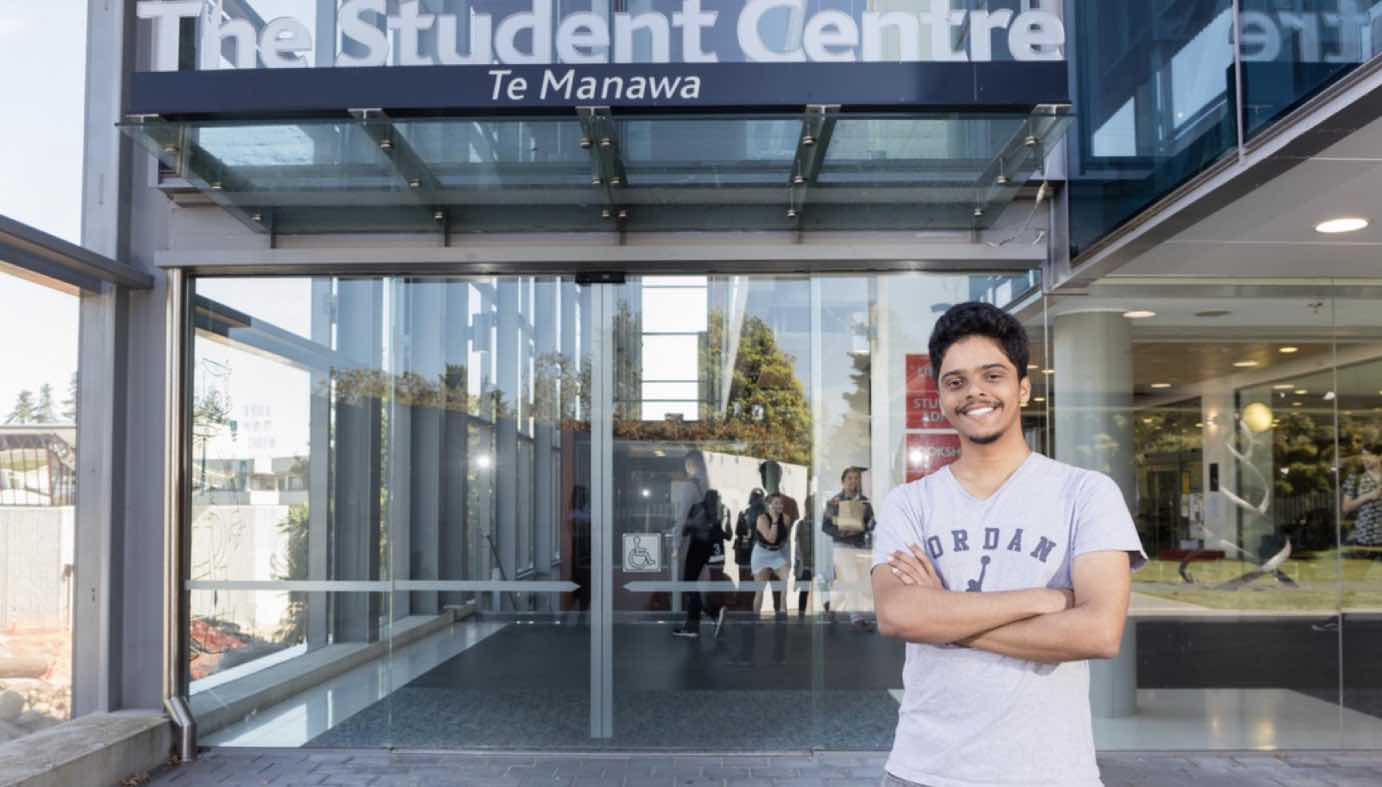
Student Centre
The Student Centre is located at the heart of our Hamilton campus and houses two libraries, student advisors, computer labs and group study rooms.

The Hub
The Hub is located on Level 1 of our Tauranga campus and is home to our Student Service team who can help answer your questions and provide support from initial programme enquiry through to enrolment and graduation.

Student Learning
Our Student Learning team provides a university wide service to assist students with their academic learning needs.

Hauora Akonga | Student Health Service
The Student Health Service provides a range of student support services including medical and nursing services, mental health, counselling, social work, violence prevention, health promotion and chaplaincy.

ICT for Students
The University has a range of ICT Services, and are on hand to help with logging in, printing, wifi, etc.

Student Tools
At Waikato, we have a range of student tools to help guide you through your university life.

Advocacy
Waikato Students have access to WSU advocacy services. This service is free and independent from the university.

Rainbow Alliance
Recognising our duty in promoting equality of opportunity and furthering social inclusion, the university provides support to those who identify as LGBTIQ+.

International Student Support
Living and studying overseas can be challenging, which is why the university has a dedicated team of support staff for international students.

Careers
Our Career Development Services are available on both campuses to ensure that students studying at Waikato are prepared for their future.

Study Advising Programme
The Study Advising Programme is designed to support undergraduate students throughout their first year.

Student Safety
Our students safety is important here at Waikato. We are committed to ensuring our students can enjoy their time at the University of Waikato in an environment of safety and respect.

Justice of the Peace
Justice of the Peace can verify documents that may be needed for enrolment and other purposes.

Accessibility Services
Our Accessibility Services help support students with impairment. Get in touch with them to see how they can support you.

The Pastoral Care Code
Outlines the University's role and responsibilities in ensuring students' well-being and safety.

Student Voice
Students and alumni can provide feedback, share unique perspective and ideas, and influence outcomes and change at the University.

Migrant and Refugee Support at Waikato
Supportive resources for migrant and refugee learners to achieve success in higher education.