Anzac then and now: as trans‑Tasman defence relations get closer, NZ must be on guard
Trans-Tasman military cooperation began over 50 years before Gallipoli, with about 2500 Australians serving in the New Zealand Wars.

Study in one of the leading law schools in New Zealand. Look deeper to find out why laws are made, who made them, how they work and how to change them.
The Bachelor of Laws degree is the professional qualification and pathway to legal practice and to a wide range of other career options for law graduates in business, non-governmental organisations and public service.
Are you curious about pursuing a career in law? Experience firsthand what it is like to be a law student at the University of Waikato at the next Law Student for a Day event.
In 2026, the event will be held on:
⦁ 8 June — Hamilton Campus
⦁ 12 June — Tauranga Campus
Thank you to everyone who attended the 2025 event.

Based on academic merit for all students who pass their Law 1 exams
Waikato is unique in embedding Te Ao Māori concepts (including tikanga Māori) in all Law papers
For students who achieve an A–GPA
Waikato is unique in its commitment to the future employability of our students by offering papers in key areas of legal practice identified by the New Zealand Law Society every year
Waikato LLB students qualify as arbitrators and mediators (AMNIZ) on graduation
Waikato is the only New Zealand law school to offer the LLB double major degree
Experience a modern approach to studying law that is critical to a successful law graduate in today’s rapidly changing world.

Enhance your legal expertise with our postgraduate degrees in Law. Our programmes offer rigorous training in legal theory and practice, preparing you for a successful career in law and the legal sector.
For practicing lawyers our LLM degree satisfies the requirements for New Zealand Law Society CPD points.
The Master of Legal Studies (MLS) degree is for graduates with no prior legal study. It is designed for professionals who wish to add advanced studies in Law as part of their skill set. This degree emphasises creativity, communication, critical analysis, applied knowledge and problem solving in a variety of specialist disciplines.

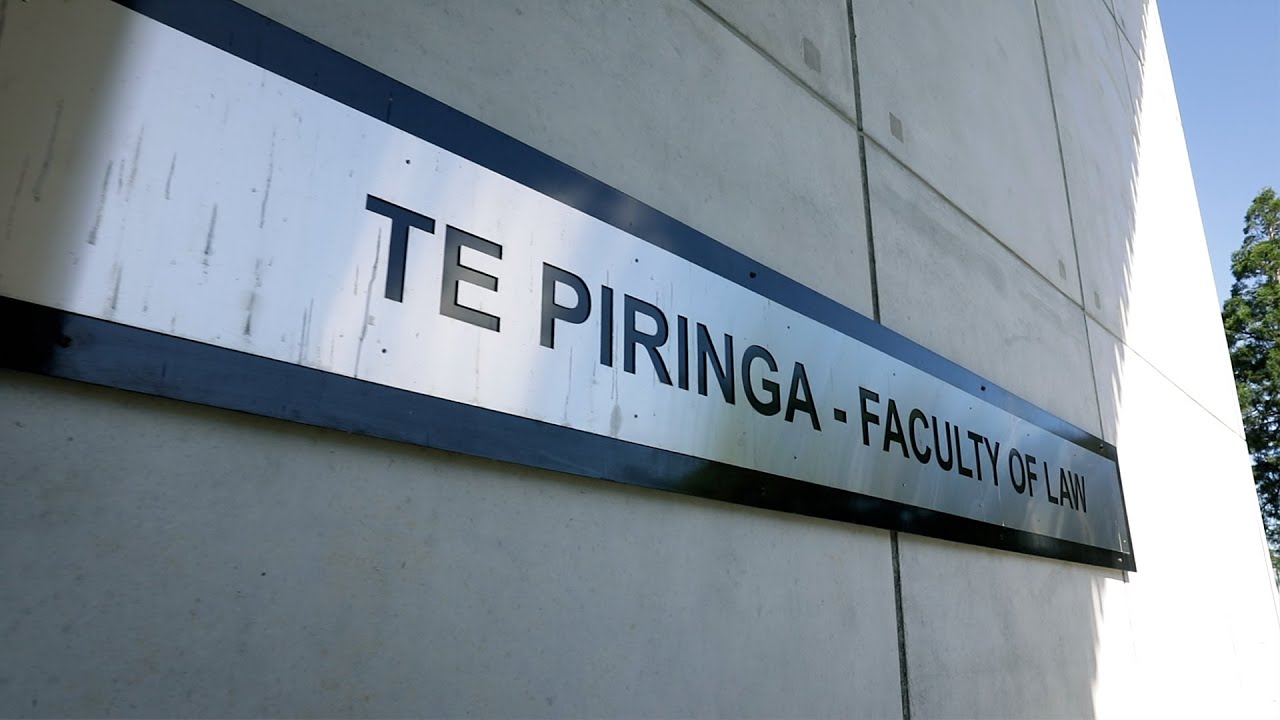
Te Piringa Faculty of Law is immensely proud to be celebrating its 30 year anniversary, and 30 years of New Frontiers

Anzac then and now: as trans‑Tasman defence relations get closer, NZ must be on guard
Trans-Tasman military cooperation began over 50 years before Gallipoli, with about 2500 Australians serving in the New Zealand Wars.

The race to mine space is on – but who sets the rules?
University of Waikato research warns asteroid mining could reshape global supply chains but outpace international law, calling for stronger rules to manage environmental risks, conflicts.

Mentorship, motherhood and the law: the women powering Waikato’s legal team
From unexpected career turns to balancing family and study, three women share the paths that brought them together.

Trump’s Greenland grab is part of a new space race – and the stakes are getting higher
Greenland sits at the crossroads of two fast-shifting frontiers: a warming Arctic and an increasingly militarised outer space.
You’re currently viewing the website as a domestic student, you might want to change to international.
You're a domestic student if you are:
You're an International student if you are: