The University of Waikato - Te Whare Wānanga o Waikato
Waikato Home Waikato Home > Research-led University
Staff + Student Login

Research-led University

The University of Waikato is one of New Zealand's major research organisations, playing a key role in the local and national economy and making a significant contribution to the international innovation system. We are at the centre of a network of research institutions and industry in the Waikato that is responsible for a significant proportion of this nation's research output - an engine room for our country's social and economic development.

Ground-breaking research on titanium alloy powders led by Professor Deliang Zhang at Waikato University is expected to boost New Zealand's fledgling titanium industry. Titanium has the highest strength-to-weight ratio of any metal, and is used for components in the aerospace, medical, automotive, and ICT industries. Products made using titanium alloy powders are even stronger and can withstand higher temperatures.

New Zealand swamp kauri provide a unique source of information about past climate change unmatched in the world. By measuring past atmospheric 14C archived in kauri tree-rings, the Waikato Radiocarbon Dating Laboratory, under the directorship of Dr Alan Hogg, is helping to develop climate change records spanning thousands of years at time periods of critical interest to international researchers.

Animal protein from meat processing waste can be turned into high-value biodegradable plastic using industry-standard equipment in a new manufacturing process discovered through research led by chemical engineer Dr Johan Verbeek of the University of Waikato's School of Science and Engineering. A spin-off company, Novatein, has been formed to take the technology to market.

Associate Professor Louis Schipper and Dr Dave Campbell (Department of Earth and Ocean Sciences) are leading research in techniques for determining real-time fluctuations of carbon dioxide in farm soils with a vision to assist farmers with land management decisions for optimal environmental and production outcomes.

Waste material from cattle processing could one day help strengthen bones and reduce healing time for joint replacement and bone graft patients thanks to research into cattle bone xenografts led by Dr Michael Mucalo (pictured centre) of the University of Waikato's School of Science and Engineering. A commercial spin-off, Graftoss, has been formed to develop the technology.

Waikato University is world-renowned for its ongoing research into the healing powers of manuka honey. Professor Peter Molan of the University's Honey Research Unit discovered the unique antibacterial activity in manuka honey, which is now sold as an antibacterial substance and widely used in wound dressings which he has developed.

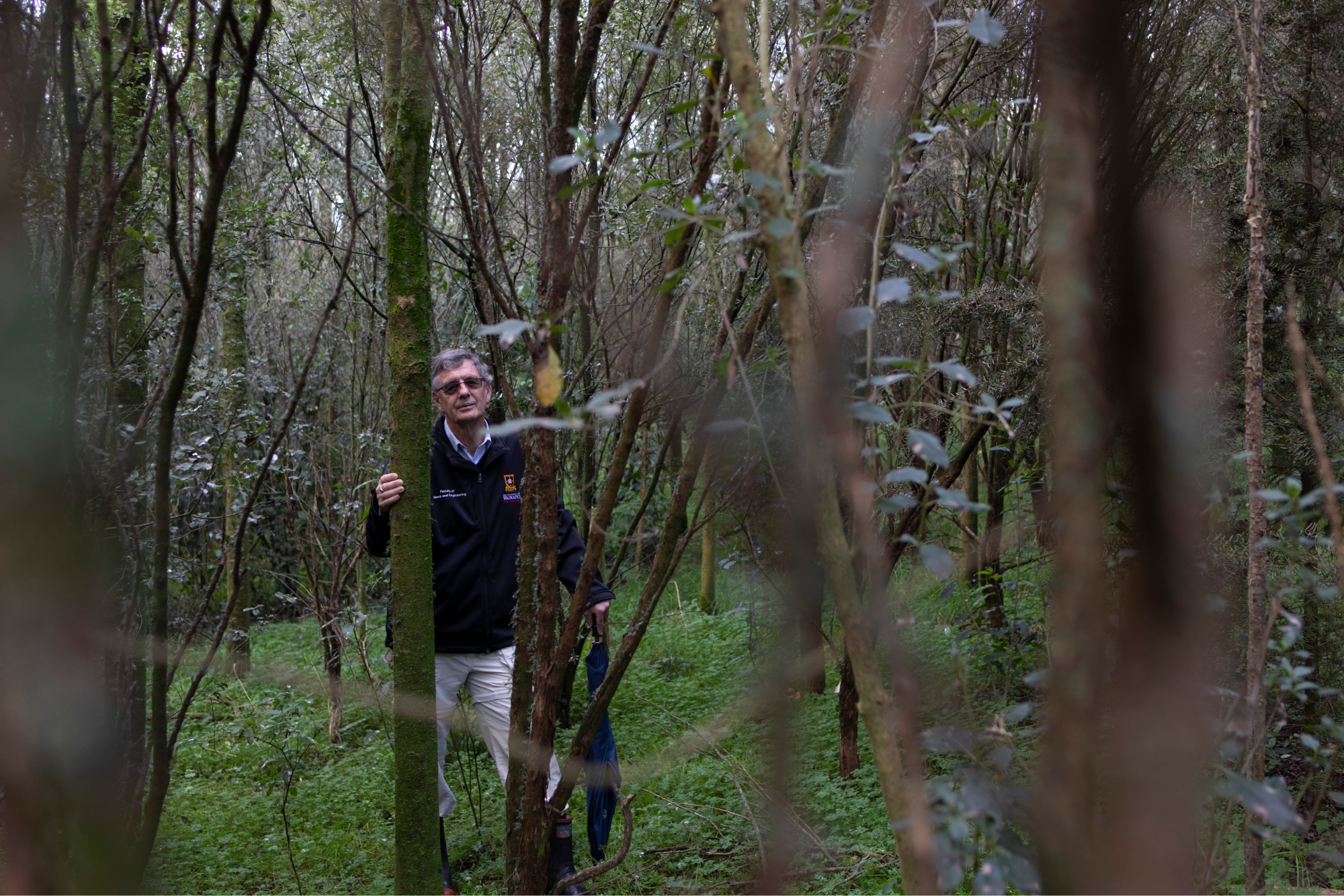
Professor Bruce Clarkson, director of the University of Waikato's Centre for Biodiversity and Ecology Research, is leading a joint $1.12 million project with Landcare Research to examine methods of restoring biodiversity in patches of native forest in rural areas to fill a critical gap between large conservation forests and severely depleted urban forest remnants.

Having led New Zealand in terrestrial biological research in Antarctica for more than 25 years, the University of Waikato is now heading an International Polar Year project to study biocomplexity in the Ross Sea area under the leadership of Professors Allan Green and Craig Cary (Centre for Biodiversity and Ecology Reseach, School of Science and Engineering).

Māori students are making measurable gains across all curriculum areas as a result of a national classroom research and teaching development project, Te Kotahitanga, established and led by Professor Russell Bishop of the Māori Education Research team at the University of Waikato's School of Education.

Mau Moko: the world of Māori tattoo, published by Penguin, is the result of many years of research by a team at the Māori and Psychology Research Unit at the University of Waikato, including Professor Ngahuia Te Awekotuku, Dr Linda Waimarie Nikora, Mohi Rua and Rolinda Karapu.

Good farm practice needs to be bolstered by appropriate regulation to keep New Zealand lakes and rivers clean. Waikato Management School environmental economists Professor Frank Scrimgeour and (pictured) Dr Dan Marsh, with PhD student Thiagarajah Ramilan, are developing economic models to figure out the best mix of regulations and incentives to assist farmers and policymakers to achieve cleaner waterways.

Previous Next

Research News

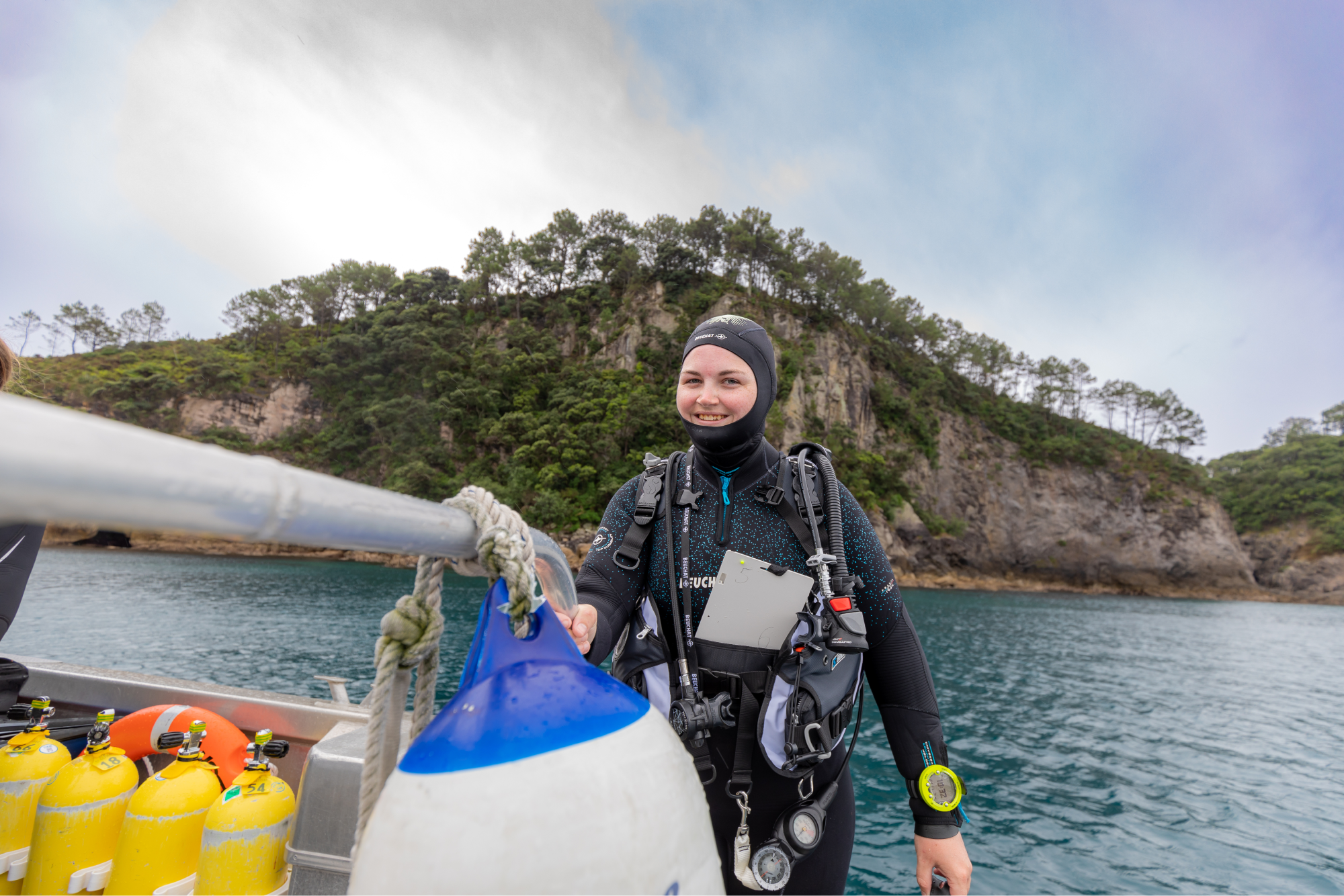
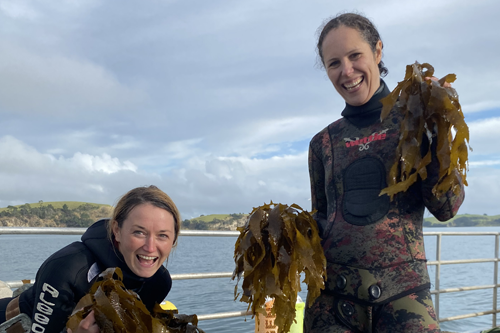
New coastal research field station
The University's new coastal research field station in Tauranga will support the work of its Environmental Research Institute and Coastal Marine Group and a major new research collaboration.

New research centre tackles environmental law
CEREL draws on the most substantial concentration of academic expertise in New Zealand in environmental law, natural resources law, and energy law.

New book aims to enhance maths learning
Dr Nigel Calder examines how the digital world has changed the way primary school children learn and understand maths.

Rena oil spill still under scrutiny
A doctoral researcher is examining ecology changes in Tauranga harbour and the recovery time for kaimoana in the Bay of Plenty following the Rena oil spill.


Research and Innovation

Take a journey through the broad sweep of the University of Waikato's research as we showcase our commitment to sustainable development in New Zealand.

New Environmental Law Centre

Te Kotahi

CEREL adds depth to the University's research platforms in environment and natural resources in matters requiring legal analysis and research. Find out more here.

Contact the Hub

Contact the Research Hub Contact the Research Hub for all research and commercial enquiries.

Start your Postgrad Studies »

Distinctively Waikato

Globally recognised researchers

Stay Connected

Waikato FacebookTwitterYou TubeWaikato iTunes

Page Generated: Sun Jan 29 00:07:24 2012
URL: http://www.waikato.ac.nz/research/index.shtml
This page has been reformatted for printing