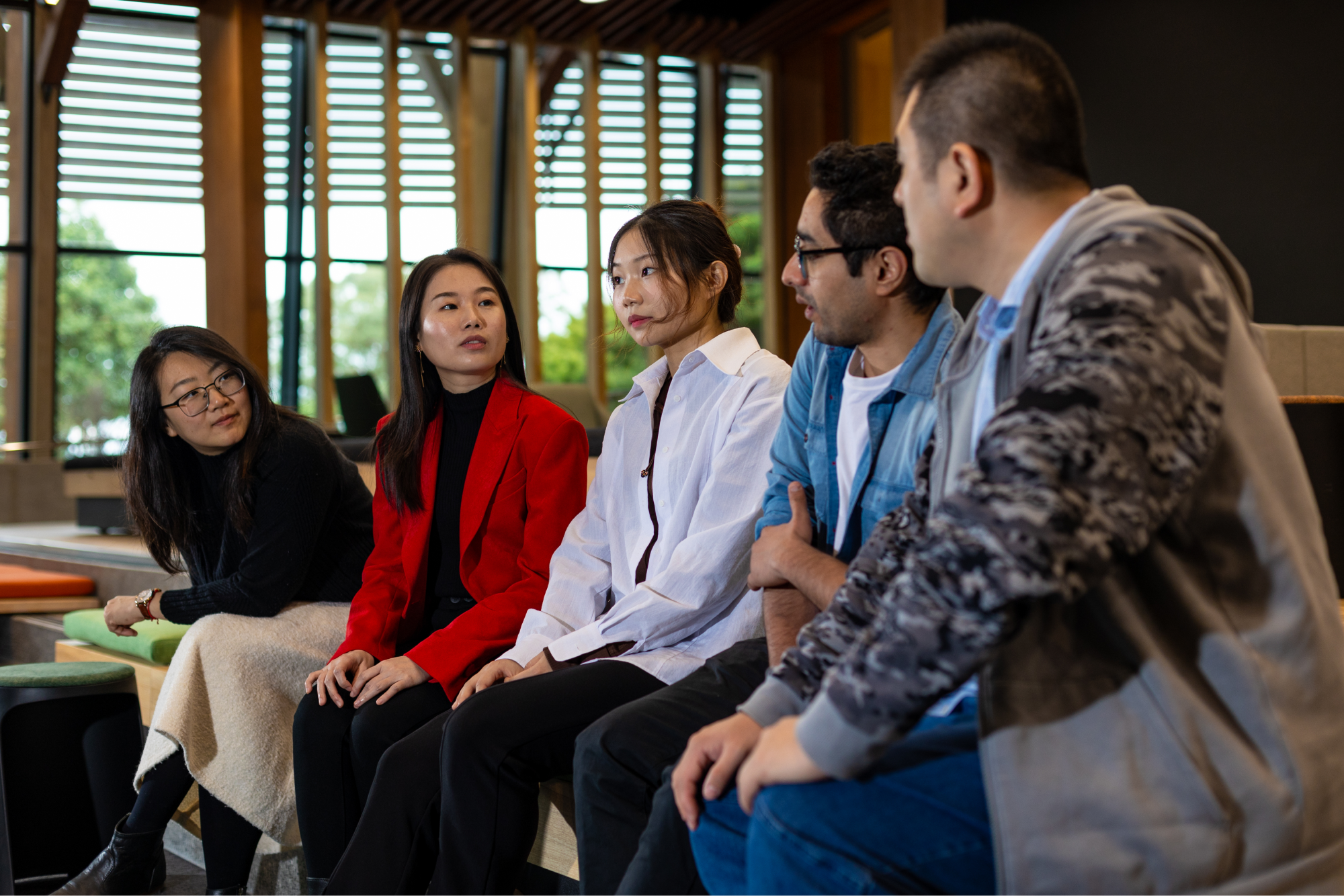
Supervision of a Higher Degree
Every candidate must have a chief supervisor. The University of Waikato believes that candidates undertaking higher degrees should not be reliant on the advice and guidance of one supervisor only. Such a situation could place the student at some risk especially if the staff member concerned is absent for an extended period on leave or leaves the employment of the University of Waikato. It is therefore an important requirement that the chief supervisor be supported by the appointment of one or more co-supervisors.
A good supervisory relationship is the essence of a successful PhD programme. Ideally, a PhD will be seen in terms of both of its desired end result (the award of the degree) and the process by which that result is achieved. The process should involve open, honest and professional interaction between the student and supervisors, based on mutual respect, trust and good-will.
There is no single prescription for an ideal supervisory arrangement. It should, however, be viewed as an evolving partnership, in which an initial student/teacher relationship develops towards increasing equality as the project reaches its culmination in the production of the thesis.
At the outset of the project, it is important that all parties are clear about their expectations of each other. It should be accepted by all concerned that the early phases of work may lead to problems which will need to be worked through in a constructive manner if the project is to flourish. Although academic matters will be of primary concern, candidates and supervisors should be prepared to talk candidly about other issues affecting the candidate’s ability to make progress with the PhD.
In order to avoid misunderstandings, candidates and their supervisors may find it useful to draw up a written agreement or memorandum of understanding which can be referred to if difficulties arise, and which can be reviewed regularly in the light of changing circumstances. Such agreements would deal with the following:
- Frequency of meetings;
- Progress reports to be provided by the candidate;
- The nature, promptness and limits of feedback on written work;
- Involvement in presenting seminars on the research while in progress;
- Financial support, if any, to be available to the student once the tenure of any scholarship has ended;
- Target dates for various stages of the research; and
- Principles for establishing authorship of any resulting publications.
Responsibilities of the Chief Supervisor
The chief supervisor’s role is to provide academic advice and practical support to the candidate, from the development of the candidate’s research proposal through to deliberation of the examination. The chief supervisor is the main point of contact for the candidate and administrative staff. He or she will take responsibility for meeting all the obligations listed below and will convene meetings with other supervisors. It is the responsibility of the chief supervisor to advise the Chairperson of the department where disagreements have arisen between supervisors that may compromise the progress of the project. It is also the chief supervisor’s responsibility to nominate the examiners of the candidate’s thesis for appointment by the PGSC, to provide a report to the examiners, and to be present at the oral examination and examiner(s) deliberation in support of the candidate.
Responsibilities of the Supervisory Panel
The supervisory panel should:
- Assist in integrating the candidate into the academic and social life of the department;
- Provide a collaborative research environment and encourage open communication;
- Ensure that meetings with supervisors operate in a constructive manner;
- Be sensitive to cultural, political and/or gender issues relating to the research topic or the candidate;
- Make clear from the outset how issues relating to joint publication of work arising from the candidate’s thesis are to be handled; and
- Not expect the candidate to work in the capacity of ‘technician’ or ‘secretary’ to the supervisors.
Responsibilities of the Candidate
Higher degree candidates have a number of responsibilities. Candidates should accept that the degree requires them to work towards intellectual independence within a supportive supervisory environment. They should expect to take the lead in most matters pertaining to the project, adhering to the principle that theirs is the main responsibility for the conduct and progress of the research. Additionally, candidates must be prepared to ‘drive’ the project and to raise matters of concern promptly, without waiting for others to do so for them.
Candidates should also ensure that they are familiar with the regulations and procedures governing the higher degrees programmes.
The specific responsibilities of candidates are to:
- Commit adequate time and effort to the project;
- Display initiative in identifying and resolving problems relating to the research;
- Manage their work efficiently so as not to place unreasonable demands on supervisors;
- Be well organised and capable of setting and meeting deadlines for various phases of the research;
- Acquire any new skills required as part of the project;
- Maintain frequent and regular contact with the supervisors;
- Seek and accept in good faith advice from supervisors;
- Fulfil tasks required by the supervisors as part of the project;
- Complete the appropriate sections of the bi-annual progress reports as and when required;
- Meet the scholarly demands and professional standards required by their discipline;
- Start writing their thesis as early as is practicable;
- Ensure that all written work is of a high standard of expression and organisation;
- Present seminars and participate in the academic, professional and social life of the department; and
- Attend and present papers at conferences and publish sections of the work under the guidance of their supervisors.
It is essential that candidates accept that, just as it is a requirement of the supervisors to provide advice and criticism, it is necessary for them to listen when such advice and criticisms are offered. Ideally, this will take the form of constructive dialogue, but there will, inevitably, be times when this is a source of some tension. In cases where such dialogue is proving difficult or impossible, this must be addressed as soon as possible.


Staff + Student Login