www.shutterstock.com
With the summer music festival season approaching (COVID willing), hopes are high that the current temporary recreational drug checking law will become permanent. If and when that happens, New Zealand will take another small step down the long drug reform road from criminalisation to harm prevention.
Submissions to parliament’s health select committee on the Drug and Substance Checking Bill (opens in a new tab) have now closed, with a report due in October. If the stop-gap law (opens in a new tab) rushed in for the 2020-21 summer is made permanent it will allow buyers of otherwise illegal drugs to have them independently checked without either the user or testing agency risking prosecution.
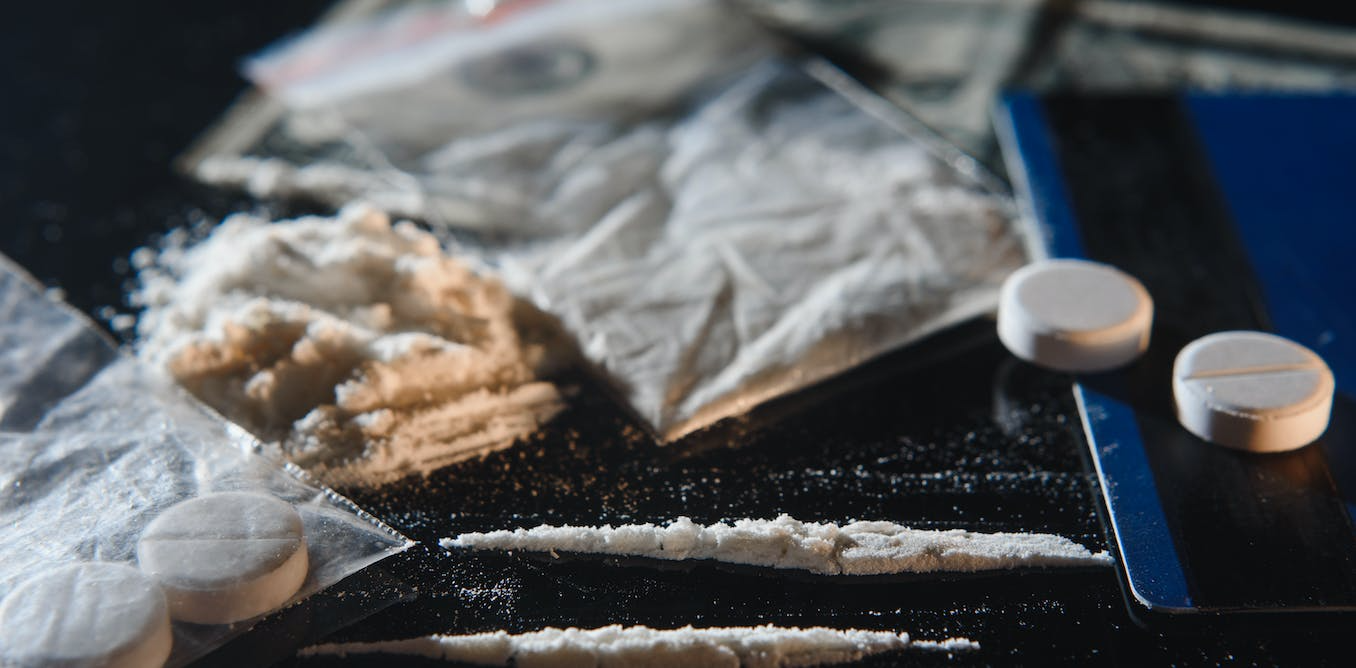
It’s an important service, given the dangers inherent in the illicit drug market and the chances of substances being cut or compromised with other toxic stimulants, as happened with some MDMA circulating (opens in a new tab) last year.
Making testing legal, even if what is being tested isn’t, is a tacit acknowledgement that New Zealand’s “war on drugs” – which began 122 years ago with the Opium Prohibition Act (opens in a new tab) – needs rethinking.
Despite generations of effort, the supply, demand and diversity of illegal drugs have grown, not diminished. Profit, pleasure and addiction have proved exceptionally powerful forces both internationally (opens in a new tab) and domestically.
And while border seizures were way down (opens in a new tab) due to COVID-19 restrictions, the black market in New Zealand for illegal drugs (not counting cannabis) is still worth an estimated NZ$77 million per quarter (opens in a new tab).
Success and failure
New Zealand first tried a different approach in 1987. The then Labour government introduced a national needle exchange program — a world first that allowed intravenous drug users to receive clean needles. The program significantly reduced the risk of catching HIV (opens in a new tab) or hepatitis C, saving lives (opens in a new tab) and tens of millions in health spending.
The next innovation was a world-leading attempt to legalise and regulate the rapidly evolving synthetic drug market. It ultimately fell over (opens in a new tab) due to practical problems implementing the Psychoactive Substances Act, public backlash and resistance to animal testing.
Read more:
We can't eradicate drugs, but we can stop people dying from them (opens in a new tab)
This pattern of innovation and failure has continued. While the use of medical cannabis (opens in a new tab) became legal in 2019, the referendum on legalising recreational cannabis failed at last year’s general election.
A 2019 amendment (opens in a new tab) to the Misuse of Drugs Act did pass, however, giving police clearer discretion not to prosecute for possession of small amounts of illegal drugs. Despite room for improvement, the new system has seen fewer prosecutions for personal use (opens in a new tab) and has helped shift the focus towards health and away from the criminal courts.
Drug checking prevents tragedies
Given Labour’s parliamentary majority and that the drug checking bill is a government initiative, it’s likely to pass. If for some reason it didn’t, individuals or organisations handling drugs to check them would risk being charged with possession or supply.
Anyone allowing drug testing to operate on their premises would also be at risk because their co-operation could be seen as evidence of knowledge that illegal drugs were being consumed.
Most critically, if drug users can’t get reliable information about what they’re taking, their uninformed choices carry unpredictable and potentially extreme risks. Naïve customers and untrustworthy dealers can be a fatal combination.
Read more:
Here's why doctors are backing pill testing at music festivals across Australia (opens in a new tab)
Between 2017 and 2019, more than 70 deaths (opens in a new tab) were attributed to synthetic cannabis in New Zealand.
When the volunteer drug checking and harm reduction organisation Know Your Stuff NZ (opens in a new tab) checked 2,744 samples of other drugs at 27 events between April 2020 and March 2021, “only 68% of all the samples checked were the substance that people expected”. They called it “the summer of terrible drugs”.
Even cannabis sourced illegally for medicinal reasons is often not what people expect (opens in a new tab), or even effective. Not surprisingly, then, research has shown the vast majority of people (opens in a new tab) would opt to have their illegal drugs tested if they could do so without risk of arrest and could trust the information.
Protection from black markets
It’s been argued that drug checking only encourages the use of illegal and harmful substances. But the evidence (opens in a new tab)suggests otherwise (opens in a new tab).
Rather, informed decisions produce changes in behaviour. When drug customers realise they have been misled or have misunderstood the nature of a given substance, they typically take less, or none.
The so-called war on drugs may be turning into a war on misinformation. If the Drug and Substance Checking Act finally comes into force by December, as has been promised, it will reflect a legislative trend toward harm reduction.
It will not stop the illegal use of drugs. But it will be one step further towards making New Zealand citizens safer from the scourge of unregulated and dangerous black markets for drugs.The Conversation
Alexander Gillespie (opens in a new tab), Professor of Law, University of Waikato (opens in a new tab)
This article is republished from The Conversation (opens in a new tab) under a Creative Commons license. Read the original article (opens in a new tab).