Finance Minister Nicola Willis delivered a pragmatic budget today, balancing fiscal discipline and the promise of economic growth.
Willis pitched it as a “responsible budget” and a necessary response to a challenging economic and fiscal environment.
In her budget statement in parliament, Willis declared the budget “controls growth in government spending”. To that end, the operating allowance has been slashed from NZ$2.4 billion to $1.3 billion, the tightest in a decade.
In Willis’ words, this decrease represents a “deliberate medium-term approach to fiscal consolidation”. The forecast outcome is that the government will return to a small surplus by 2029, with net core crown debt peaking at 46% of GDP in 2028.
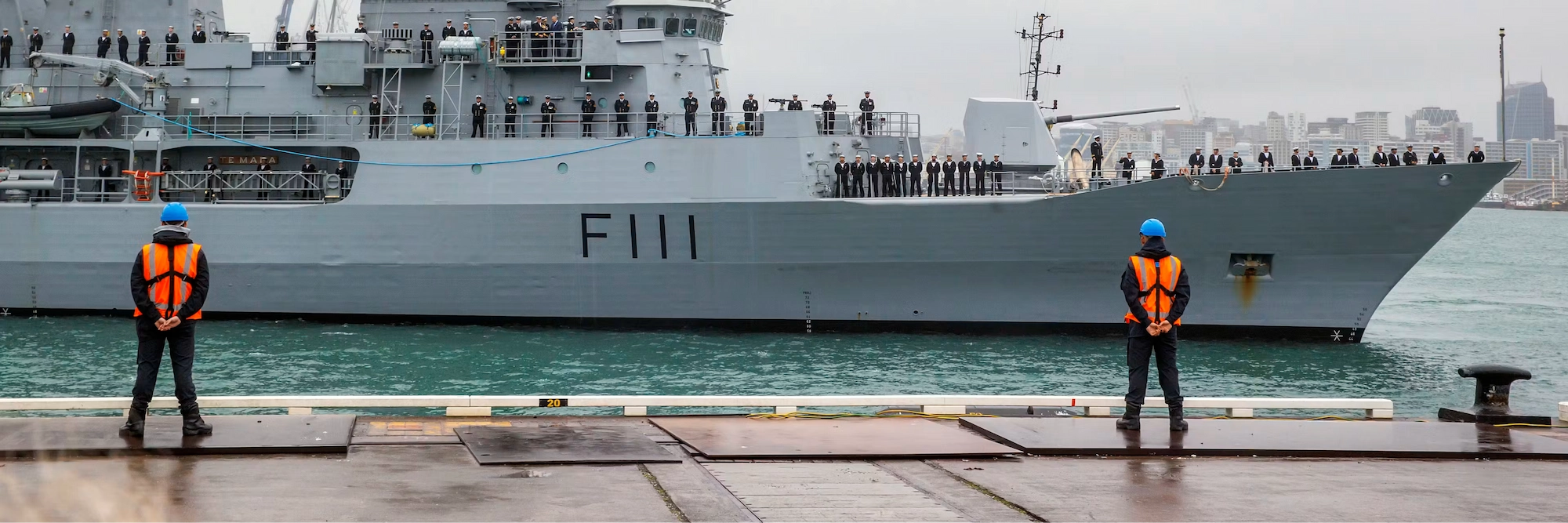
In spite of the budget’s austere tone, the government has made targeted investments in key areas: $6.8 billion in new capital investment, $1 billion for defence, and substantial tax incentives for businesses to invest in productive assets.
However, new funding for health and education is more limited, and may barely keep pace with increasing cost pressures in those sectors.
The challenge with this budget is that the new spending mainly has a long-term focus, but there are shorter-term issues that have received less attention. The hope may be that any short-term pain is necessary to ultimately grow the economy, and grow wages.
Key announcements

Michael P. Cameron, Professor of Economics, University of Waikato
This article is republished from The Conversation under a Creative Commons license. Read the original article.