Oxytocin, the drug sometimes called the love hormone, and which is used to bring on labour, could be the key to cutting down people’s overeating.

Pawel Olszewski
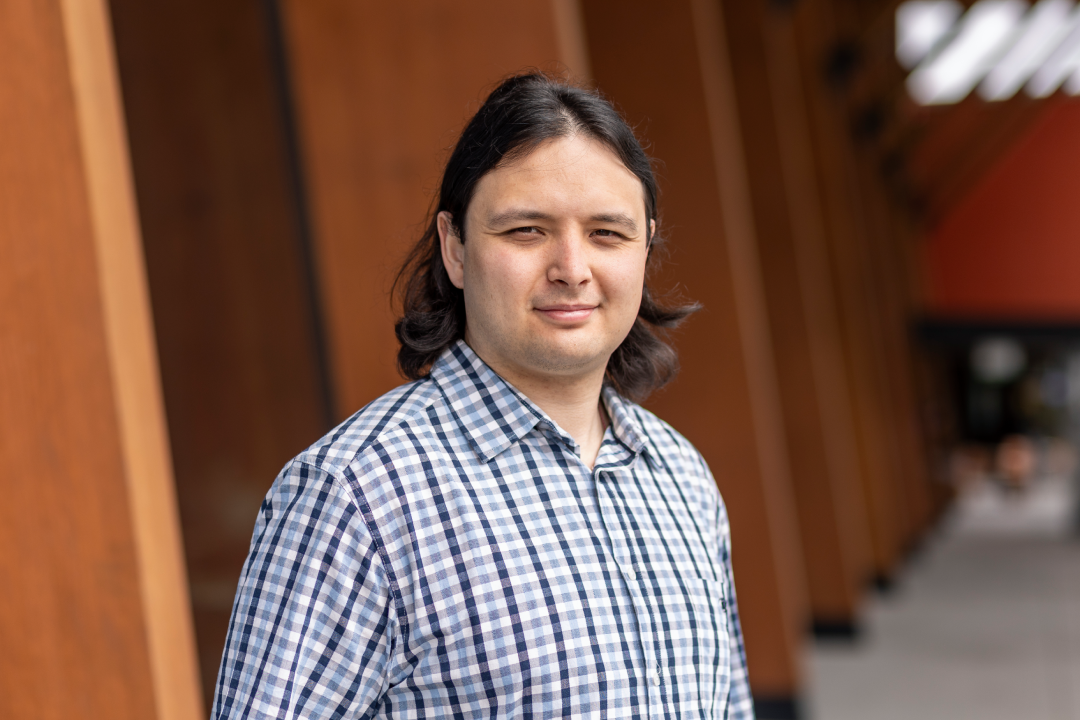
In the School of Science at the University of Waikato Associate Professor Pawel Olszewski is studying how the brain dictates food intake and what may be done to control overeating: how much we eat, what we eat, when we’re sated, when we’re hungry.
Dr Olszewski is a nutritional neuroscientist who works with rodent models (rats and mice) and has found the molecule oxytocin works as an effective appetite suppressant. That is, it reduces appetite and can therefore decrease consumption, and in particular, palatable food, such as sugar.
“In our pre-clinical trials, we’ve found oxytocin to be very effective in decreasing the drive to eat in animals,” Dr Olszewski says.
Dr Olszewski and his laboratory colleagues study molecular mechanisms that underlie food intake and pharmacological and dietary strategies that change appetite. Their focus is on the interplay between brain signalling that promotes consumption, for example, via reward, and satiety-inducing systems (drugs) that keep food intake within safe limits, for example oxytocin and melanocortins (peptide hormones).
“We are interested in how experimental drugs, dietary modifications and changes in social environment affect feeding,” Dr Olszewski says.
“Most people don’t eat because they’re hungry,” Dr Olszewski says. “They eat because it gives them pleasure – three meals a day plus snacks. We aren’t eating because we need the energy. Mostly we eat food because we like it. So we’re looking for a way for people to eat less and move them away from ‘junk’ food and reduce consumption through less eating for pleasure. It gives us a lot of hope –decreasing the drive to eat and not overeat.”
Initial trials with oxytocin look promising, and he’s confident further testing will reveal that oxytocin can be taken to inhibit that desire to eat those palatable and often unhealthy foods.
Dr Olszewski’s laboratory was the first to establish a link between the social environment and how it modifies the ability of oxytocin to decrease appetite, that is, in social situations individuals overeat even after being treated with oxytocin. Now he is researching how oxytocin and certain opioid receptor blockers might combine and how they may be used to address conditions such as binge-eating disorders, or obesity as a result of overeating.
During his 20-year career, Dr Olszewski has held academic and research positions in the US, Sweden and, in the past decade, New Zealand. He is deputy team leader for Molecular and Cellular Biology at the University of Waikato and holds concurrent adjunct professorial roles at the University of Minnesota in the departments of Integrative Biology and Physiology, and Food Science and Nutrition.