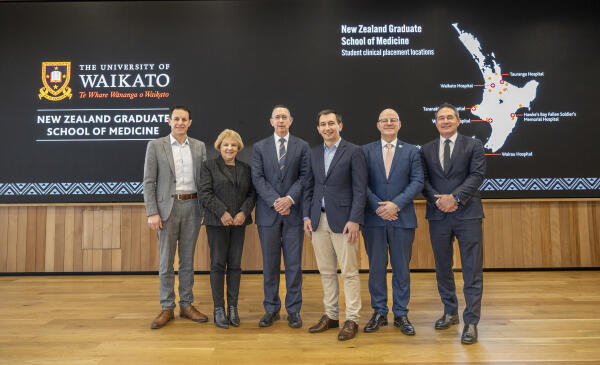
L-R: University of Waikato Pro Vice-Chancellor Health Professor Jo Lane, University of Waikato Chancellor Dame Susan Hassall, University of Waikato Vice-Chancellor Professor Neil Quigley, Minister of Health, Hon Simeon Brown, Associate Minister of Health (Rural), Hon Matt Doocey and MP for Hamilton East Ryan Hamilton
The University of Waikato, in partnership with the Ministry of Health, Health New Zealand and the Universities of Auckland and Otago, has unveiled a new distributed clinical placement network that will support delivery of the New Zealand Graduate School of Medicine (NZGSM).
As a graduate-entry programme, students will complete their first year at the University of Waikato Hamilton campus before embarking on the three-year clinical placement programme in one of five regions announced today.
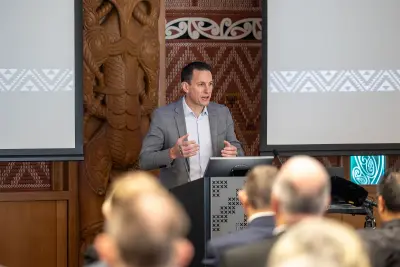
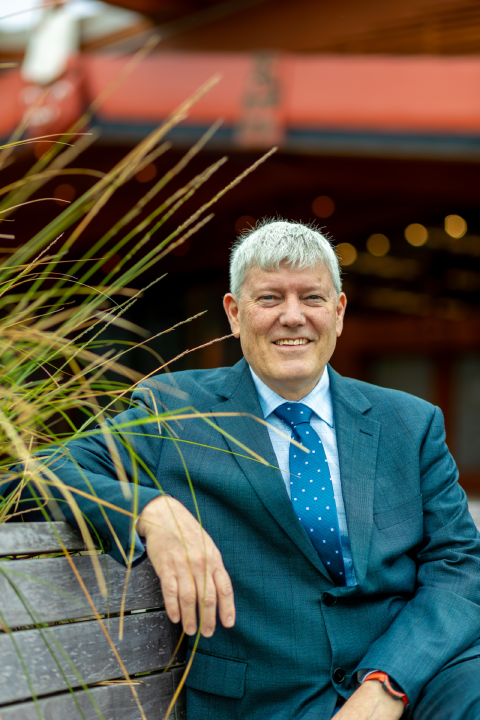
Pro Vice-Chancellor of Health Professor Jo Lane
The programme is designed to address the country’s biggest doctor shortages, which are in primary care specialities, and in regional and rural communities. With diverse entry pathways, this will enable more students from these communities to complete the majority of their medical training embedded and supported by their community.
The NZGSM is based on a proven model of medical education that has been shown to graduate a high proportion of doctors who choose to work in primary care and in regional and rural communities. Students will complete a balanced mixture of clinical experiences in hospital, primary care and other community care settings, including a year-long placement in general practice.
Professor Jo Lane, Pro Vice-Chancellor Health at the University of Waikato, says identifying the clinical placement regions is an important step in establishing the NZGSM.
“Where and how we train doctors has a direct impact on workforce outcomes.
“We’ve engaged extensively with a wide range of stakeholders in each community who might partner with us in training the doctors they need.
The response has been overwhelmingly positive, and we look forward to this next phase of establishing the NZGSM, working in partnership to strengthen regional workforce pathways and a more sustainable health system over time.
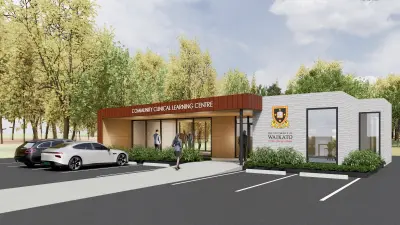
An artist's impression of a University of Waikato Community Clinical Learning Centre
An important component of the distributed clinical placement network is the establishment of a series of Community Clinical Learning Centres (CCLCs) in each location where NZGSM students are to be based. These facilities will serve as University of Waikato teaching sites, providing a key link with communities, pastoral support for students, and interprofessional education opportunities for the University’s medical, nursing, midwifery, and pharmacy students.
The regions for NZGSM medical student placements from 2029 include the following:
| Region | Health NZ Hospital(s) | NZGSM Community Clinical Learning Centre(s) |
| Waikato | Waikato Hospital* |
North Waikato Hauraki/Thames-Coromandel South Waikato Waipa/King Country |
|
Bay of Plenty |
Tauranga Hospital* |
Western Bay of Plenty Rotorua |
|
Taranaki/ Whanganui |
Taranaki Base Hospital Whanganui Hospital |
New Plymouth Whanganui |
|
Hawke’s Bay |
Hawke’s Bay Fallen Soldier’s Memorial Hospital |
Hastings Wairoa |
|
Nelson/ Marlborough |
Nelson Hospital Wairau Hospital |
Richmond Blenheim |
*Hospital to be shared with the University of Auckland.
Health Minister Simeon Brown says where doctors train often influences where they practise.
“The Government is focused on making it easier for New Zealanders to see a doctor, particularly in rural areas, supported by a strong and sustainable workforce.
Developing a pipeline of future-ready, homegrown doctors in the communities that need them most is key to achieving this.
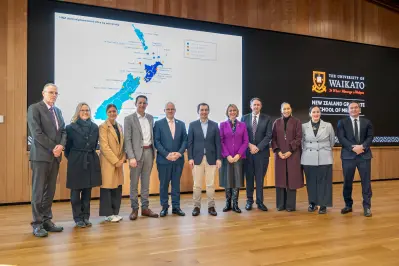
L-R: Professor Warwick Bagg, Professor Jane Alsweiler, Professor Suzanne Pitama, Professor Jo Lane, Hon Matt Doocey, Hon Simeon Brown, Dame Helen Stokes-Lampard, Mark Darrow, Parekawhia McLean, Selah Hart, Ryan Hamilton.
Regions for CCLCs were identified through a national assessment process considering community need, clinical capability, supervision capacity and the ability to support high-quality medical training over the long term. Final locations of the CCLCs remain subject to additional due diligence and operational planning and will be confirmed in the coming months.
The NZGSM is expected to welcome its first cohort of 120 students in 2028, with first clinical placements commencing from 2029.
Further operational and delivery planning will continue over the coming months in partnership with Health New Zealand, the Ministry of Health and regional providers.