University of Waikato Deputy Vice-Chancellor Research Professor Gary Wilson (opens in a new tab) has been awarded a Fellowship of the International Science Council (ISC) (opens in a new tab), recognising his contribution to science and its benefits for people worldwide.
Established in 2022, the Fellowship is the highest honour the ISC can confer on an individual scientist, recognising those who support its mission to be the global voice for science.
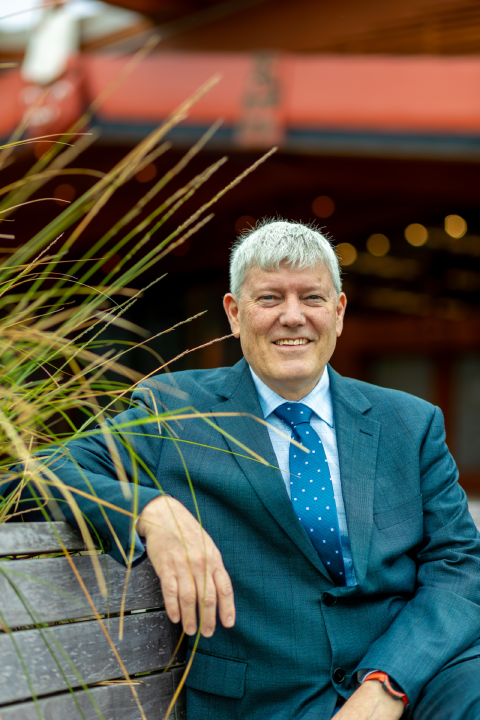
Professor Gary Wilson
Professor Wilson joins fellow New Zealand recipients, including Sir Peter Gluckman, Professor Hamish Spencer and Sir Collin Tukuitonga. The University of Auckland's Professor Krushil Watene has also been elected in the latest cohort.
“It’s an honour to be elected and join a global community committed to ensuring science benefits everyone. I look forward to contributing my experience and working with colleagues around the world to help address the challenges we share,” Professor Wilson says.
Professor Wilson is internationally recognised for his research on Antarctica and the Subantarctic and their role in Earth’s climate system. He is currently the President of the Scientific Committee on Antarctic Research (SCAR) and leading delivery of a global strategy on Antarctic research as well as leading the science contribution to the Antarctic Treaty System meetings.
His current research includes investigating how warming frozen ground in Antarctica releases carbon into the atmosphere, and how carbon is buried and stored in New Zealand and Subantarctic fiords. This work explores both the science of these processes and their economic implications.
“I want to draw on my experience in climate and Antarctic research to help ensure scientific evidence informs policy and practical action. Supporting emerging researchers is also important to me, particularly creating opportunities for them to contribute their ideas and expertise to international projects.”
The ISC brings together scientific expertise across disciplines and borders to address global challenges, including climate change, biodiversity loss, food security and public health. Its work strengthens the use of scientific evidence in policy decisions, supports international cooperation, and promotes greater participation in science and access to its benefits.
Fellows are selected through a formal nomination and evaluation process and play an active role in the ISC’s work, contributing to projects, advisory committees and working groups, building international relationships, supporting emerging researchers and helping share scientific findings with wider audiences.