Training in rivers that smell like vomit, dodging large floating logs and avoiding raw sewage are becoming part of reality for some of New Zealand’s young athletes as climate change increasingly affects sporting environments, new University of Waikato research has found.
The project involved focus groups with 45 athletes aged 13 to 25 in Te Tairāwhiti from a range of sports including surfing, surf lifesaving, waka ama, kayaking, rowing, rugby, swimming and skateboarding. The resulting research introduces the concept of “polluted sport” (opens in a new tab), describing how athletes are being forced to navigate contaminated and damaged environments caused by climate change and extreme weather events while continuing to train and compete.

Professor Holly Thorpe / photo credit Josie McClutchie
“I believe this is the first research project in the world to specifically examine how climate change is affecting young athletes, while prioritising the voices and lived experiences of young people in sport,” says Professor Holly Thorpe from School of Sport and Human Movement.
She says the impacts are not limited to the immediate aftermath of extreme weather events but can continue for months afterwards, as communities experienced following Cyclone Gabrielle.
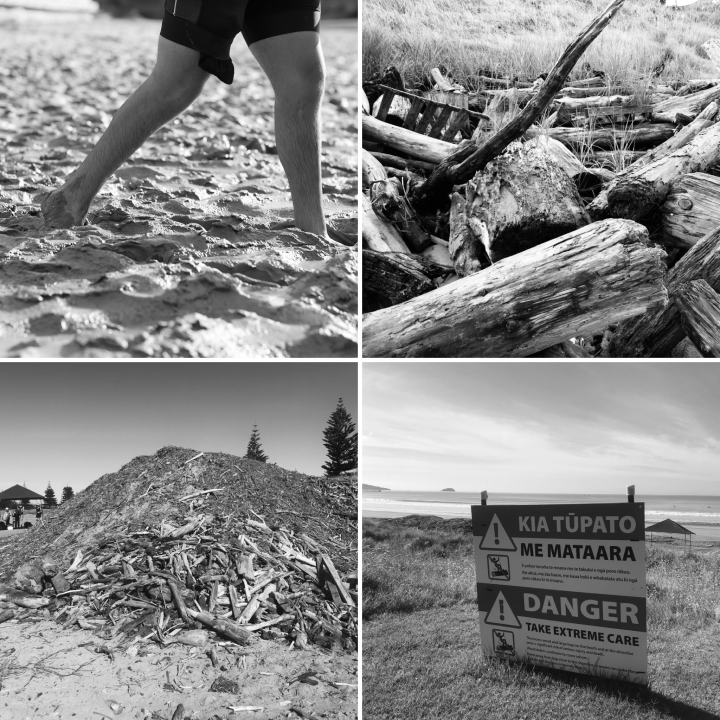
“The river where our kayakers, waka ama paddlers and rowers train is frequently polluted by large woody debris, silt and debris, and ageing sewage systems.”
One young male rower told researchers, “I might be a mutant now,” referring to repeated exposure to floodwater and contaminated silt.
A young woman kayaker noted they never used to paddle in brown water.
“It's just brown all the time now. Smells like poo. I just try not to swallow any water or fall in. It's just how it is now, it’s the norm. It just makes it so much more unmotivating, turning up and it looks like that, it's like, I don't want to paddle but I still do because I love it."
A young waka ama paddler spoke passionately about the topic:
“The awa, it’s kind of like a part of us. But you just don't want to paddle in a river that’s like that just full of sewage, sticking out branches, ‘big as’ [very big] logs, dead animals. It’s so gross.”
Professor Thorpe says many young athletes in the study are focused on nationals and world championships, and ongoing environmental damage and disruptions are making it harder to achieve their goals.
The pollution has forced many athletes to adopt a range of risk management strategies. Professor Thorpe describes one young surfer whose mother stands on the beach spotting logs while she trains in the water.
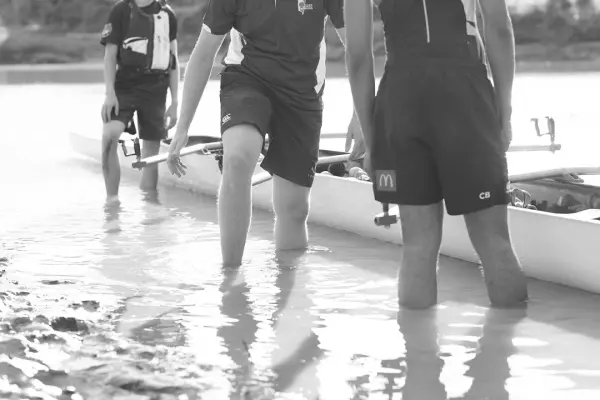
Young athletes are having to train amongst the fall out of extreme weather events / photo credit Josie McClutchie
While some athletes remain committed to their sports, others including friends and teammates of those surveyed, have dropped out because of the ongoing disruption caused by extreme weather events. River and beach closures, along with damaged or closed roads preventing access to training and competitions, have interrupted routines and made regular participation difficult.
“Youth dropout from sport is a major issue, with young people facing increasing social pressures and school demands. Now, climate change and repeated extreme weather events are making participation in sport harder than ever for many young people,” says Professor Thorpe.
A key finding from the research, Professor Thorpe says, was the importance of listening to young people, who have developed significant knowledge and awareness of their changing environments.
“They love these sports because they feel a strong sense of pride and connection to these environments. They get a lot of joy from paddling on a beautiful green river or being in the ocean surfing or surf lifesaving, so they are angry and frustrated. They’re experiencing eco-grief, feelings of sadness about the changes to the places they care deeply; they’re genuinely upset about what’s happening to these environments.”
Professor Thorpe says many of the young athletes are frustrated that local and national leaders are not doing more to protect the natural environment, particularly as its degradation is having a significant impact on the health and wellbeing of communities, as well as their opportunities to pursue their sporting dreams.
“Our next generation of sporting champions is being impacted by increasingly polluted environments and a changing climate, and we need to listen to young people and take these issues seriously,” says Professor Thorpe.
To raise awareness and centre young people’s experiences of climate change, Professor Thorpe and photographer Josie McClutchie co-created a travelling exhibition (opens in a new tab) with young athletes.
Featuring 22 black-and-white portraits and quotes from focus groups, the exhibition toured sports clubs, schools, marae and the Sport New Zealand conference, where young people shared their stories and sparked conversations about climate change, sport and community.
The impacts are not limited to the immediate aftermath of extreme weather events but can continue for months afterwards /photo credit Josie McClutchie
The newly released research was funded by Te Pūnaha Matatini Centre of Research Excellence. The research team includes Professor Holly Thorpe and Waikato colleague Dr Mihi Nemani, community researchers Josie McClutchie and Holly Williams, and the University of Auckland’s Associate Professor Daniel Hikuroa.