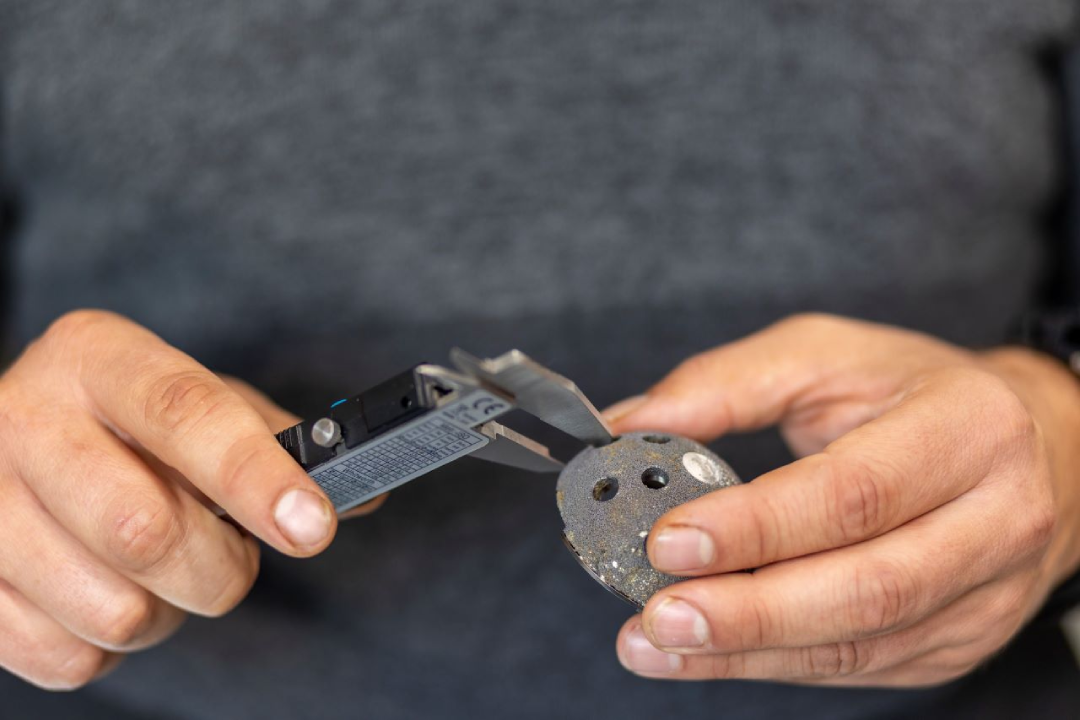
A University of Waikato researcher is developing a new titanium alloy which could make medical implants stronger and safer.
Dr Leandro Bolzoni, Associate Professor in Te Kura Mata-Ao School of Engineering, is developing alternative alloys made from biologically safe metals that encourage bone growth and resist corrosion inside the body, offering a possible option for improved medical and dental implants.
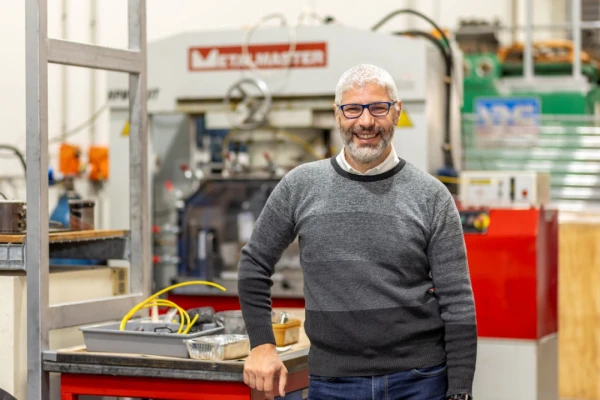
Dr Leandro Bolzoni
He’s also hoping the new implant iteration will reduce infections, meaning fewer antibiotics and a lower risk of superbugs.
The research project, supported by the Cardiff–Waikato Collaborative Seed Fund and carried out in collaboration with Dr Wayne Nishio, Senior Lecturer in Biomaterials at Cardiff University, has published its first paper called Low-cost Ti alloys: assessment of their microstructure, mechanical properties, corrosion behaviour, and biological response.
The researchers found that the alloys perform similarly to current implant materials, with the added potential to reduce harmful bacteria thanks to their unique chemistry and microscopic structure.
Currently, hip replacements and dental implants are typically made from titanium alloys, which Dr Bolzoni acknowledges are FDA approved, but they do not come without “drawbacks”.
Therefore, Dr Bolzoni believes they can get better, especially when it comes to infection.
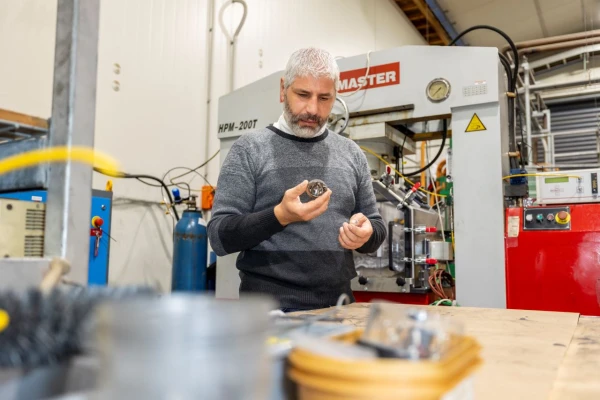
Dr Leandro Bolzoni hopes they might find an alternative to ensure there's less infection with medical and dental implants
“Prostheses are usually made from titanium alloys because of their excellent mechanical properties and because the body tolerates them well. However, titanium is bio-inert, meaning it does not interact much with surrounding tissue and cannot fight bacteria. As infections occur despite assumed sterile conditions, patients are typically treated with high doses of antibiotics, which contribute to antibiotic-resistant superbugs.
“Our research aims to address this by developing new titanium alloys that are naturally antibacterial. By adding elements such as copper, known for their antibacterial properties, the implant surface can kill bacteria on contact. This could significantly reduce the need for antibiotics and help prevent infections, whether they occur shortly after surgery or even many years later.”
Dr Bolzoni has been looking at a combination of various metals to make alternative implants which include copper, iron, niobium and manganese.
He says the team is exploring several options, acknowledging that copper is highly effective at killing bacteria.
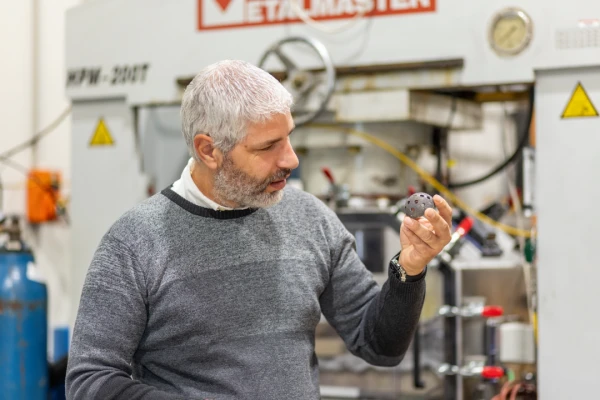
Dr Bolzoni adds that literature shows that current prostheses typically last around 15 years
“At this stage we are trying to develop new alloys that don’t rely on copper or silver. The challenge is that while these elements are very effective at killing bacteria, they can also become toxic. Through this collaboration we’ve developed several new alloys, which are now being tested to see whether they meet the properties we need.”
Dr Bolzoni adds that literature shows that current prostheses typically last around 15 years, and about 7% of people experience an infection even after 10 years.
“Thus, we are developing implantable intrinsically antibacterial titanium alloys so that the material itself will be able to kill the bacteria whether it's right after the surgery or 10 years down the line.”
Established in 2021 alongside a strategic partnership between the two universities, the Cardiff–Waikato Collaborative Seed Fund supports staff to build ambitious, value–driven partnerships that contribute to global impact. The fund enables collaboration across research, teaching, student experience, and professional services.
Since its inception, the Seed Fund has supported 29 projects, spanning disciplines from environmental sustainability to health equity, digital inclusion, and Indigenous language revitalisation.