Other supports and services
Additional supports and services offered by Accessibility Services and the wider university community.

Regular check-ins
Want to stay connected? Regular check-ins with Accessibility Services are optional and here if you’d find them helpful.

New Zealand Sign Language interpreters
If you require a New Zealand Sign Language (NZSL) interpreter, please contact Accessibility Services staff well before the start of the trimester to discuss your requirements.
Body doubling
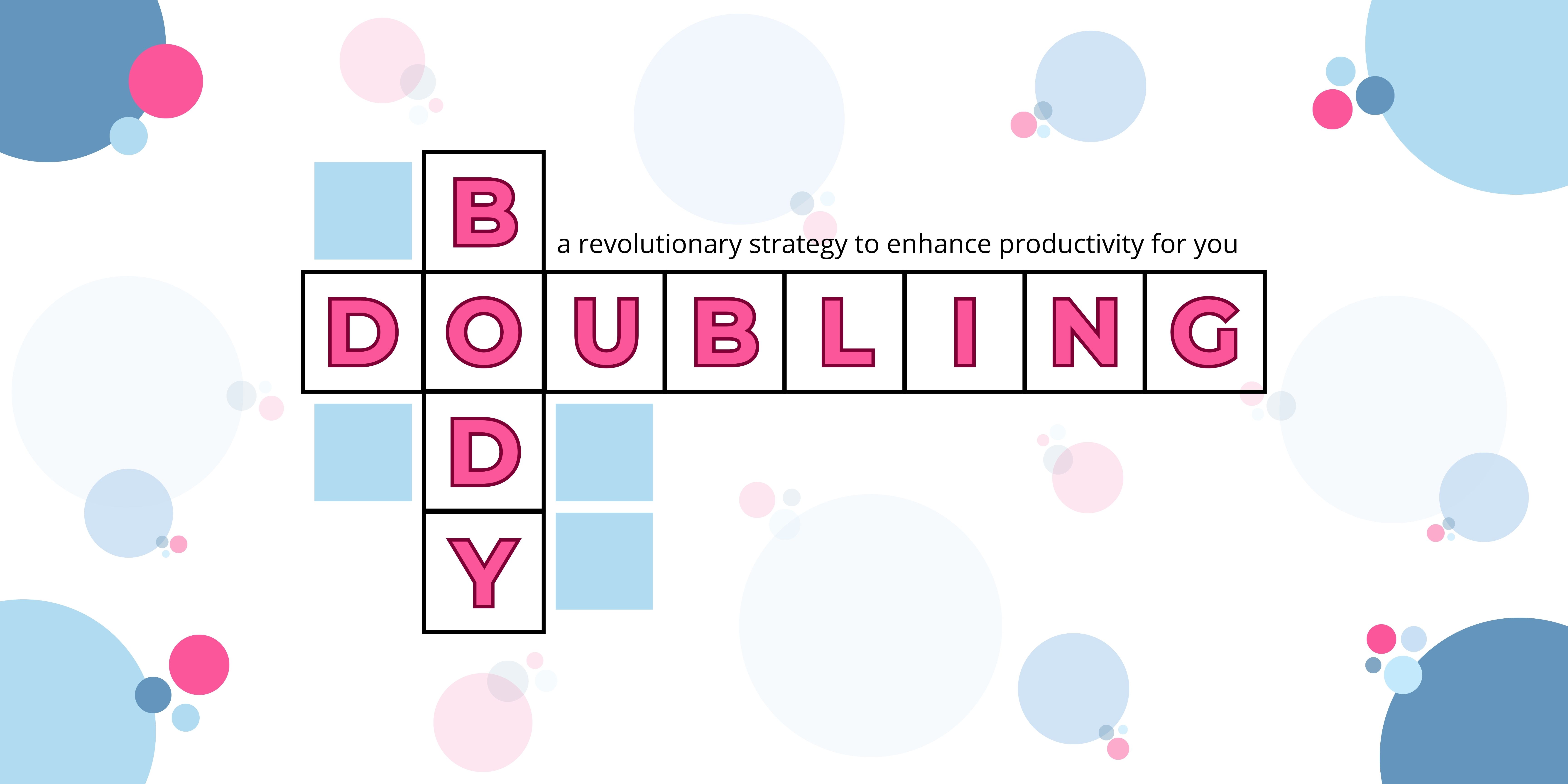
Accessibility Services hosts twice-weekly body doubling sessions: work alongside fellow students to boost focus, accountability, and task initiation in a supportive setting that helps you stay organised and improve academic performance.
Body Doubling FAQs

No, you don’t need to be registered with Accessibility Services to join our Body Doubling sessions. These sessions are open to all students.
If you believe that participating in these sessions will benefit you, you are more than welcome to attend.
You don't need to sign up beforehand either, and you're welcome to just show up. However, if you would like regular updates and reminders, you can contact us to be added to our Body Doubling mailing list.
When
Body Doubling sessions run throughout teaching period on Tuesdays 10-11AM and Fridays 2-3PM.
Where
- Hamilton: M.1.42 (Level 1 of Te Manawa/Student Centre)
- Online: Microsoft Teams
Limited full-time status (LFTS)
You may be able to apply for limited full-time status from StudyLink if you’re studying less than full-time under certain circumstances. For example:
- You're finishing an approved course.
- You're studying part-time for a significant reason, such as:
- You have a serious medical condition
- For a reason you can't control
- You would struggle with a full-time workload
Limited full-time status means you will be recognised as studying full-time by StudyLink and Work and Income, even if you’re taking less than a full-time course load.
Accessibility Services can support applications for registered students. If you would like your application to be reviewed and signed by Accessibility Services, please contact the team.
Supports and services at UoW
In addition to Accessibility Services, there are a number of other services and supports available to all students at The University of Waikato that may be helpful to you throughout your studies.