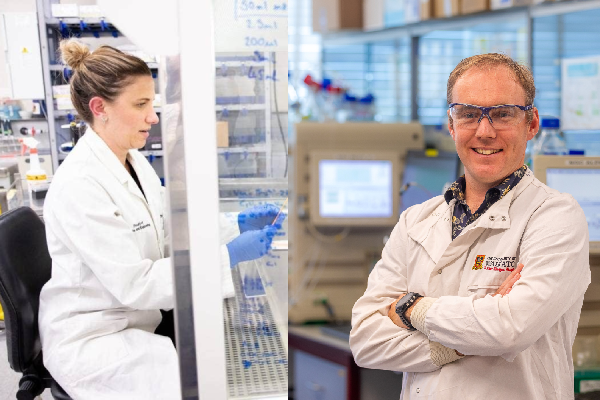
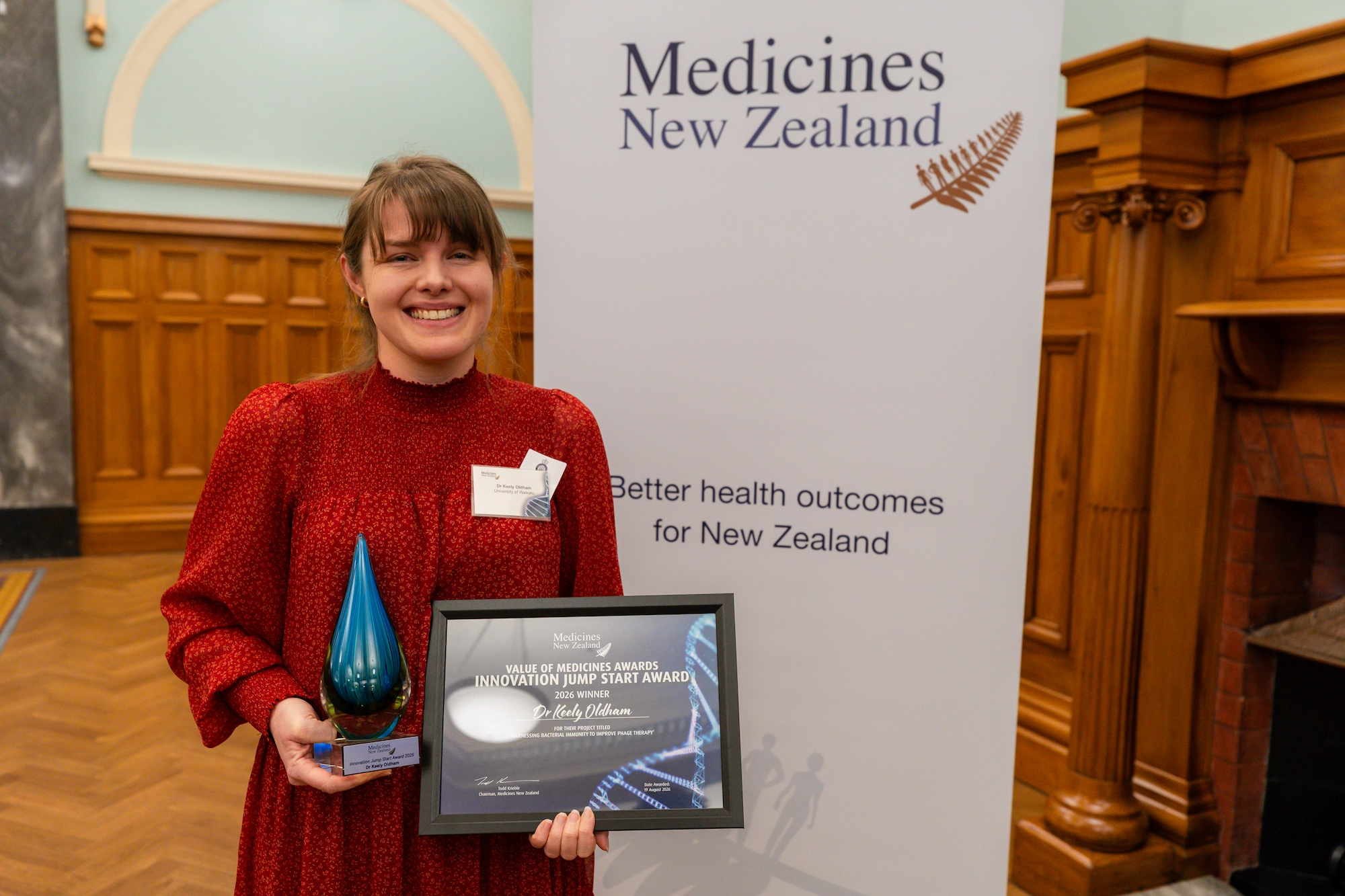
The University of Waikato collaborates with local, national and international health institutions to strengthen healthcare services, develop the health workforce and improve health outcomes, particularly for rural and regional communities.
Primary healthcare partnerships
The University has partnered with three Waikato-based Primary Health Organisations, Pinnacle Incorporated, Hauraki PHO and National Hauora Coalition, through a Memorandum of Understanding to address primary care workforce shortages (opens in a new tab). The partnership aims to establish a regional network of clinical training facilities, support interprofessional placements across primary care professions, and develop collaboration in primary care research. These activities are intended to strengthen the healthcare workforce and support fairer health outcomes for rural and regional communities.
Collaborative clinical and medical research
The University's Medical Research Centre (opens in a new tab) works with Waikato District Health Board and healthcare professionals on research addressing health issues affecting the Waikato region and beyond. Its work includes cancer epidemiology with Waikato Hospital specialists, research into primary care and rural health, and diabetes research conducted in collaboration with local general practices. The Centre's primary care research programme (opens in a new tab) examines chronic disease management, primary care services and workforce issues to help inform improvements in healthcare delivery.
The University also works with the Hauora Taiwhenua Rural Health Network (opens in a new tab) on rural health education, research and healthcare access. University researchers presented collaborative projects at the National Rural Health Conference in 2025, contributing to discussions on rural healthcare challenges and ways to improve health outcomes for underserved communities.
New Zealand Graduate School of Medicine
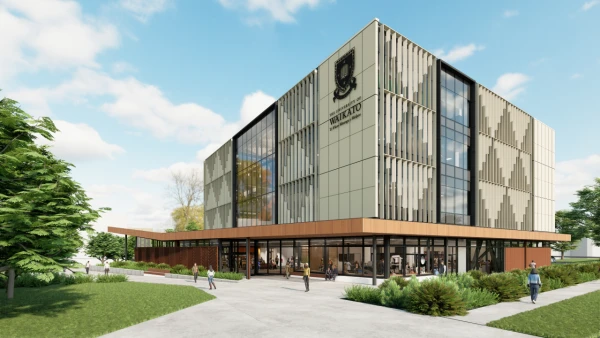
The University of Waikato is establishing the New Zealand Graduate School of Medicine through partnerships with government agencies, universities, hospitals and regional healthcare providers to address doctor shortages, particularly in rural and regional communities.
Following its initial agreement with the Ministry of Health, the University has partnered with the University of Wollongong (opens in a new tab) to develop the new curriculum and is using expert advice from the university’s Medical Advisory Board (opens in a new tab) to guide the establishment of the School. A distributed clinical placement network (opens in a new tab) involving Health New Zealand, the Ministry of Health and the Universities of Waikato, Auckland and Otago has been confirmed, with students expected to train in hospitals, general practices and community health settings across five regions.
These collaborations aim to strengthen New Zealand's medical workforce and improve access to healthcare in underserved communities.
International and national collaboration to strengthen health systems
The University collaborates with Hiroshima University in Japan through an ongoing research partnership (opens in a new tab) examining healthcare delivery, rural and ageing communities, emergency response and health equity. Researchers from both universities have undertaken reciprocal visits to share insights into their respective health systems and identify lessons that could inform policy and improve healthcare delivery. The collaboration focuses on developing more equitable and resilient health systems that respond to the needs of rural and Indigenous communities.
The University has established a partnership with Whanganui District Council, Health New Zealand, Whanganui Regional Health Network, and Te Ranga Tupua Iwi Collective (opens in a new tab) to explore opportunities for medical students to train in Whanganui and surrounding regions. The collaboration aims to strengthen the regional health workforce by expanding opportunities for clinical training in communities facing medical workforce shortages.
Through these partnerships, the University works with healthcare providers, research institutions and universities to address workforce shortages, advance clinical and community health research, and improve access to healthcare and health outcomes.