From Wales to Waikato: tracing the story of sheepdogs
A new book explores how working dogs and the people who trained them helped shape farming on both sides of the world.
Make cities and human settlements inclusive, safe, resilient and sustainable


Our campuses welcome the public to explore cultural spaces, art exhibitions, library collections, and green spaces.

We encourage greener travel through cycling facilities, discounted public transport, and a free shuttle between our Hamilton and Tauranga campuses.

We incorporate sustainable design into campus developments, from energy-efficient buildings to reusing previously developed land.
The University of Waikato provides free public access to culturally significant buildings, library collections, art exhibitions and campus green spaces, while contributing to regional arts and preserving cultural heritage.
The University welcomes community members onto its campuses to experience its facilities, grounds and cultural spaces. Te Kohinga Mārama Marae (opens in a new tab) provides a culturally significant setting for Māori cultural practices, formal welcomes, wānanga and celebrations, and is available for external use subject to its kaupapa and booking arrangements. The Pā (opens in a new tab) provides a central gathering place for University and community activities. The University's campuses also feature landscaped grounds, outdoor artworks and sculptures that members of the public can experience through campus visits and sculpture walks. Further information about visiting and using University facilities is available through Community Connections (opens in a new tab).
The University Library provides free public access to its physical collections for consultation during opening hours. Its collections include books, publications and culturally significant Māori, Pacific and New Zealand material. The Library's collection development and management principles (opens in a new tab) guide the acquisition, preservation and accessibility of materials relating to local iwi and the cultural heritage of Aotearoa New Zealand and the Pacific. The University's O Neherā digital archive (opens in a new tab) provides access to historical images, documents and firsthand accounts.
The University Art Collection (opens in a new tab) contains more than 600 artworks, including contemporary Māori, Pacific and New Zealand art, displayed across the Hamilton and Tauranga campuses. The Gallagher Academy of Performing Arts (opens in a new tab) hosts public exhibitions, including displays in its galleries and foyer spaces. Exhibitions such as The Campus as Canvas: Behind the Paint (opens in a new tab) share the stories behind campus murals through artist reflections, photographs and video.
The University contributes to regional cultural life through public concerts, performances, exhibitions and collaborations with community arts organisations. In 2025, the University hosted over 100 public events, including 60 concerts and arts events. Our Gallagher Academy of Performing Arts (opens in a new tab) provides a venue for music, theatre, dance and other creative activities. University-affiliated ensembles, including the Chamber Choir and Chamber Orchestra, contribute to music performance, while events featuring local choirs, orchestras and young performers provide opportunities for community participation and artistic development. Upcoming and recent activities are listed in the University events calendar (opens in a new tab).
The University actively preserves historical records, oral histories and Māori cultural knowledge through its Library collections and digitisation projects. The Māori Data Sovereignty case studies (opens in a new tab) describe a magnetic tape digitisation project undertaken between 2023 and 2025 to preserve deteriorating recordings containing oral histories, community material and academic content. The project included digitisation, secure local storage and retention of the original recordings, with attention to Māori Data Sovereignty principles.
The University has also supported the digitisation and preservation of the collection of Māori scholar Dr Pei te Hurinui Jones, documenting the process in He mahi māreikura: Reflections on the digitising of the Pei Jones' collection (opens in a new tab). Its special collections include Mātangireia, which holds iwi histories, Māori Land Court Minute Books and culturally significant material associated with Pei te Hurinui Jones. Through these collections and preservation projects, the University helps safeguard historical records, oral traditions and Indigenous knowledge for future research and community access.
The University of Waikato encourages staff and students to adopt more sustainable commuting practices, including walking, cycling, public transport and shared transport. The University's Environmental Sustainability Policy (opens in a new tab) commits to encouraging environmentally responsible transportation decisions, while the Sustainability Plan 2022–2026 (opens in a new tab) establishes objectives to reduce transport demand and support greater use of cycling, walking and public transport.
The University promotes sustainable commuting through practical initiatives and infrastructure. These include approximately 1,300 bicycle parking spaces across its campuses, secure bicycle cages, a free Kaimai Shuttle (opens in a new tab) connecting the Hamilton and Tauranga campuses, and discounted public transport for students. The University has also invested in electric vehicles and charging infrastructure to support lower-emission transport.
These initiatives contribute to the University's wider sustainability objectives and efforts to reduce transport-related emissions.
The University of Waikato prioritises pedestrian access through its Parking and Traffic Regulations (opens in a new tab). Prime access to buildings and facilities is reserved for pedestrians and people with mobility-related impairments, and vehicles are prohibited from using accessways designated for pedestrian and mobility traffic. On shared accessways, vehicles must give pedestrians priority and right of way, with a maximum speed limit of 15 km/h. The University's Hamilton Campus Map (opens in a new tab) identifies pedestrian access points and main walking routes, supporting movement between campus facilities.
The University of Waikato provides a range of accommodation options and financial support to help make housing more accessible for students and staff.
The University offers accommodation at its Hamilton and Tauranga campuses, including halls of residence, apartments, cottages, studios and units to suit different budgets and lifestyles. Self-catered accommodation has been advertised from $285 per week, and weekly and monthly payment plans provide flexibility for students who cannot pay the full cost upfront. Scholarships can also help with accommodation expenses. For example, the D.V. Bryant Trust University of Waikato Residential Scholarship provides up to $10,000 towards accommodation for eligible school leavers who need financial assistance, while the Tauranga Campus Residential Scholarship provides up to $8,000.
The University has residential facilities and has historically provided accommodation for staff undertaking residential support roles. Its Fringe Benefit Tax Guide addresses the tax treatment of employee accommodation. The University also provides eligible new appointees with relocation assistance, including contributions towards temporary accommodation for up to three weeks. These are examples of existing support for employee accommodation.
The University of Waikato collaborates with local authorities on planning and development to support the long-term needs of local communities. University academics worked with Waipā District Council on the Ahu Ake Waipā Community Spatial Plan (opens in a new tab), supporting community engagement and planning discussions covering housing, placemaking, economic development, parks and public facilities.
In Tauranga, the University and Tauranga City Council formalised a strategic partnership (opens in a new tab) to support city-centre development and establish a more integrated university presence. This partnership includes planning for additional student accommodation. The University's research also explores more cost-effective housing technologies, including cold-formed steel and 3D printing, as outlined in sustainability reporting (opens in a new tab). These activities highlight the University’s collaboration with local authorities on urban planning, development and housing-related issues.
The University of Waikato incorporates sustainability into the design and construction of new buildings. Its Sustainability Plan 2022–2026 (opens in a new tab) commits to constructing new buildings in line with Green Star building standards. The University's Property Services Standard Brief (opens in a new tab) further guides sustainable design and construction, addressing energy efficiency, construction materials, waste reduction and environmental impacts.
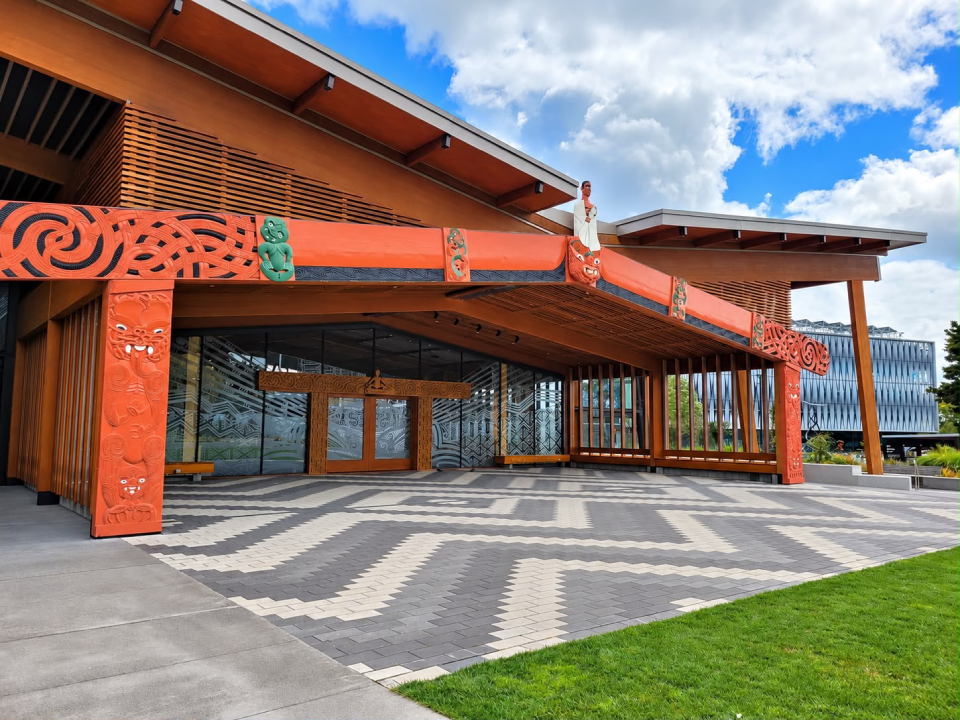
These principles are demonstrated in The Pā, which incorporates sustainably harvested timber, lower-carbon structural materials, high-performance glazing and insulation, and rainwater collection for non-potable uses. The University's Te Manawa Student Centre also demonstrates sustainable building design through its five-star green building rating, solar energy generation, efficient building controls and rainwater reuse.
Together, the University's construction commitments, design standards and building examples demonstrate its approach to developing more sustainable campus facilities.
The University of Waikato makes use of previously developed land and existing campus infrastructure in its approach to campus development. The Pā, opened on the Hamilton campus in 2023, was constructed on a brownfield site, demonstrating the reuse of developed land for new facilities.
The University also invests in existing buildings to extend their useful life and adapt them to changing needs. The J Block refurbishment renewed teaching, learning and academic spaces, while Te Manawa Student Centre involved transforming and expanding an existing library building. The University's Hillcrest Campus Masterplan (opens in a new tab) provides a longer-term framework for campus development and the use of existing sites and infrastructure.
Professor Iain White (opens in a new tab) has been working with local and central authorities to progress a concept called the ‘20 Minute City’ (opens in a new tab), challenging decision-makers to adopt a more transformative approach to post-pandemic infrastructure investment.
The concept has been embraced in many other parts of the world and is essentially about putting the right kinds of infrastructure in the right places. This includes good pedestrian access and high connectivity, safe cycle lanes, and joined-up planning that aims to better link people with the facilities they use, so all needs can be reached within 20 minutes of home.
In October 2021, Professor White and the project team conducted a nationwide survey asking New Zealanders how far they’re prepared to travel for work and other services.
We need to be careful in applying concepts from overseas, and so we need to collect data on what is of value to people in our towns and cities and how they prefer to get there.
Professor White.
Our Transport Research Group (opens in a new tab) is a multidisciplinary team of researchers committed to finding sustainable transport solutions for New Zealand, help overcome policy barriers to support the transition to electric vehicles, influence decision makers and nurture more sustainable mindsets and behaviours. They're looking closely at a range of issues including public perceptions around autonomous vehicle technologies and changes to in-vehicle technology.
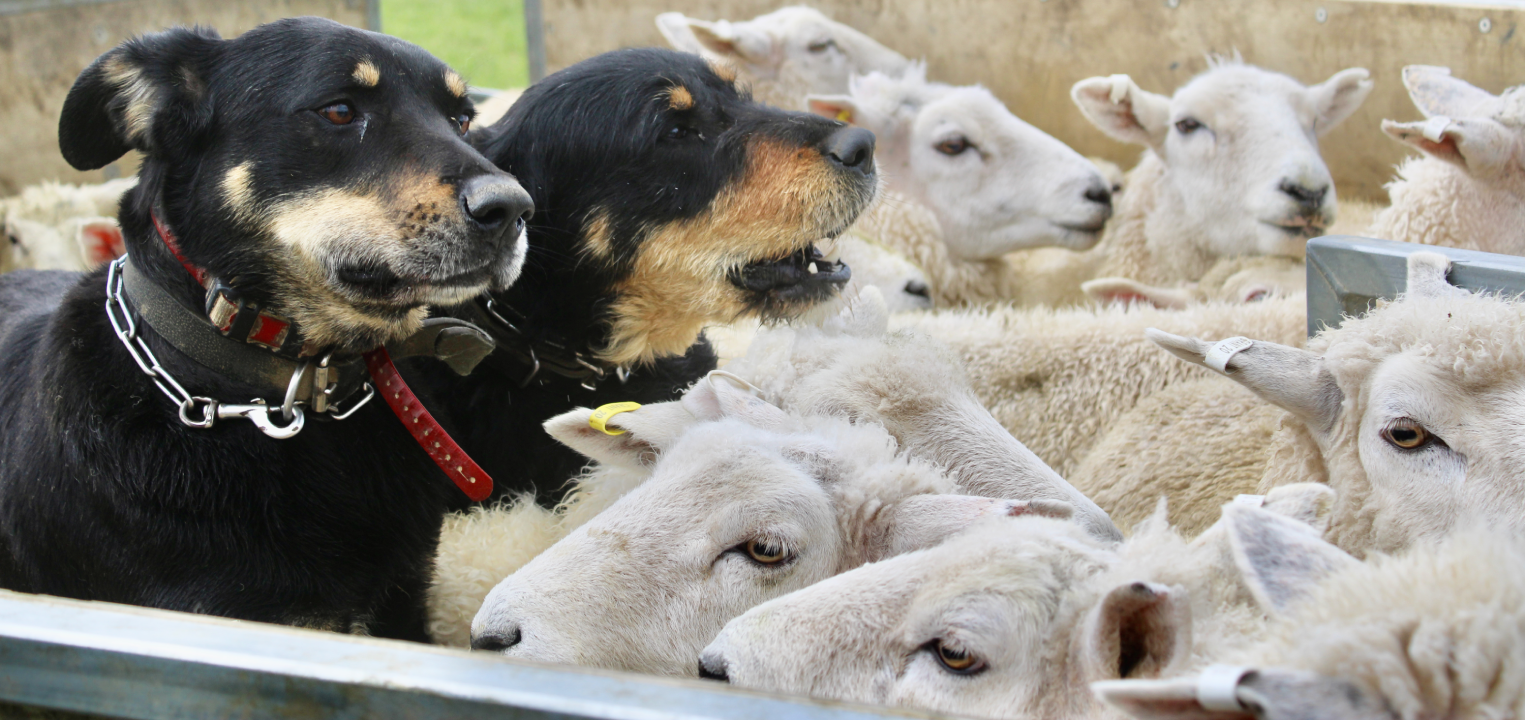
From Wales to Waikato: tracing the story of sheepdogs
A new book explores how working dogs and the people who trained them helped shape farming on both sides of the world.
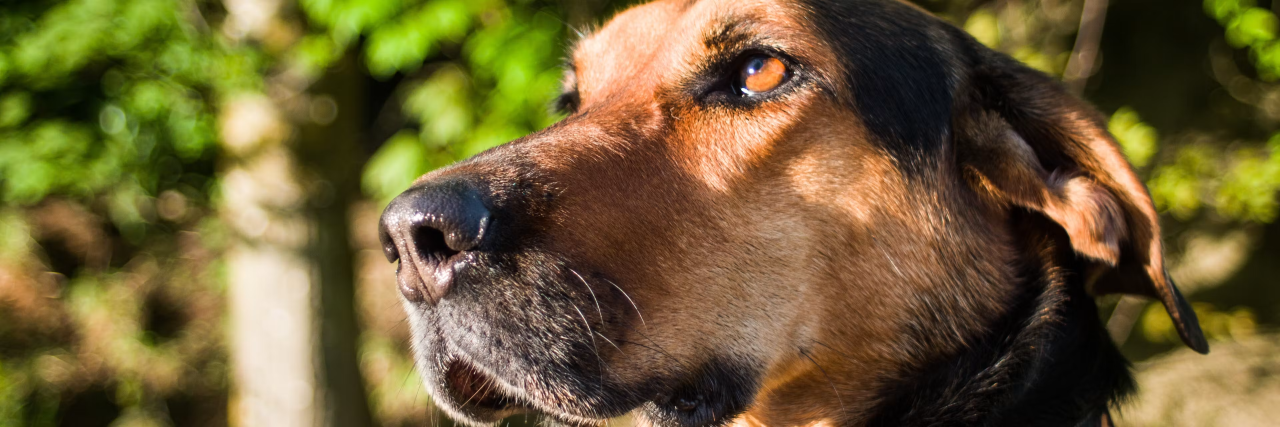
The curious history of the huntaway, New Zealand’s unusually loud sheepdog
From high-country musters to pub 'bark-ups', Gareth Enticott explores how shepherds put barking to work and why tradition may have roots in Wales.

Born in Aussie or NZ, playing for the Pacific: the startling demographics of the Rugby League World Cup
The Rugby League World Cup highlights the strong influence of Pacific heritage, with many players born in Australia or New Zealand choosing to represent their ancestral homelands.
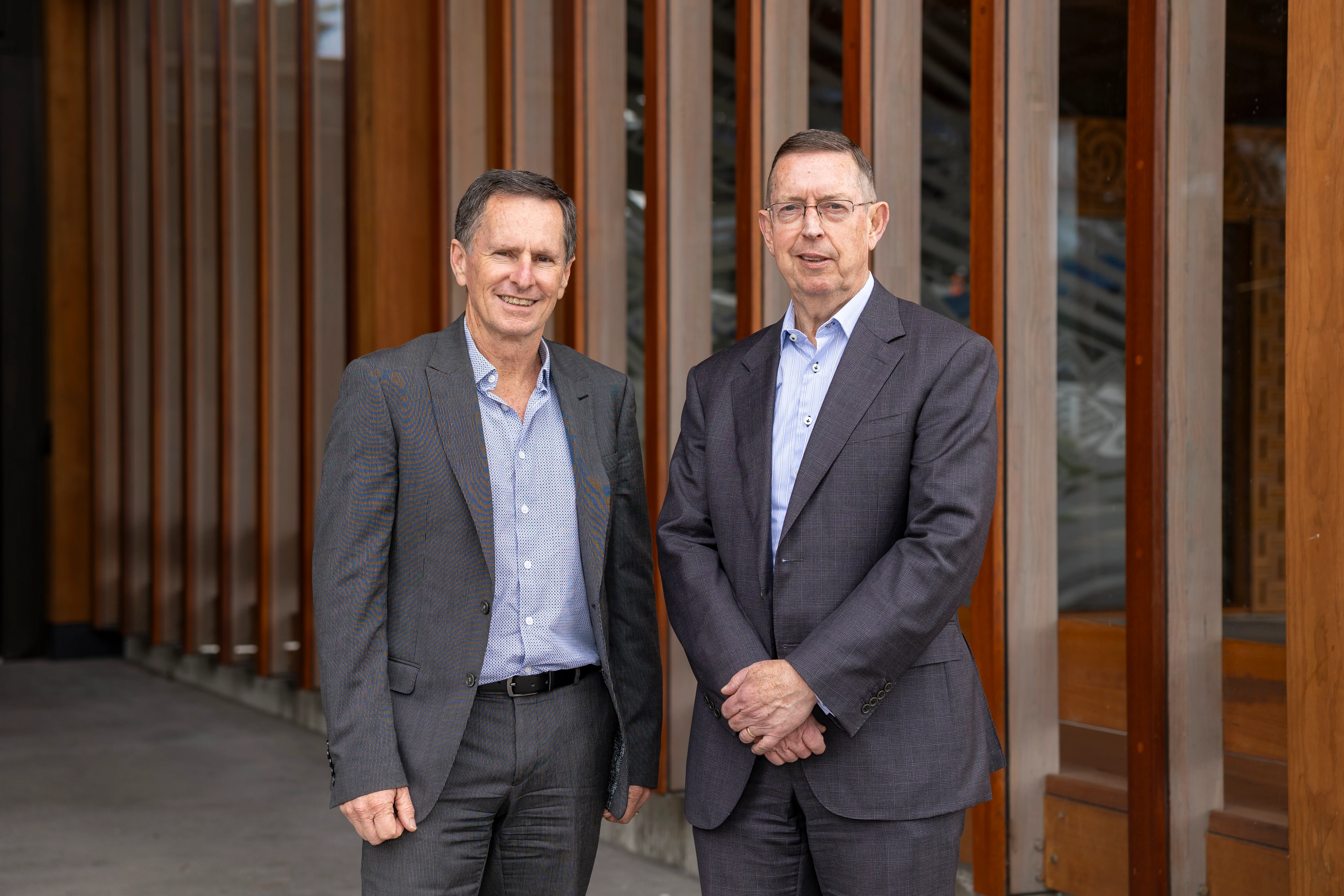
University and Waikato Regional Council strengthen partnership for the region
The University of Waikato and Waikato Regional Council have signed a three-year partnership agreement to strengthen collaboration in research, education, sustainability and student opportunities.
Waikato expands timber expertise to support construction sector
A WIDE Trust-funded appointment will connect research, teaching and industry partnerships to advance low-carbon building solutions and prepare the next generation of engineers.

How did early Māori society develop? New research reveals a clearer timeline
Archaeologists have traditionally divided early Māori history into three broad periods.
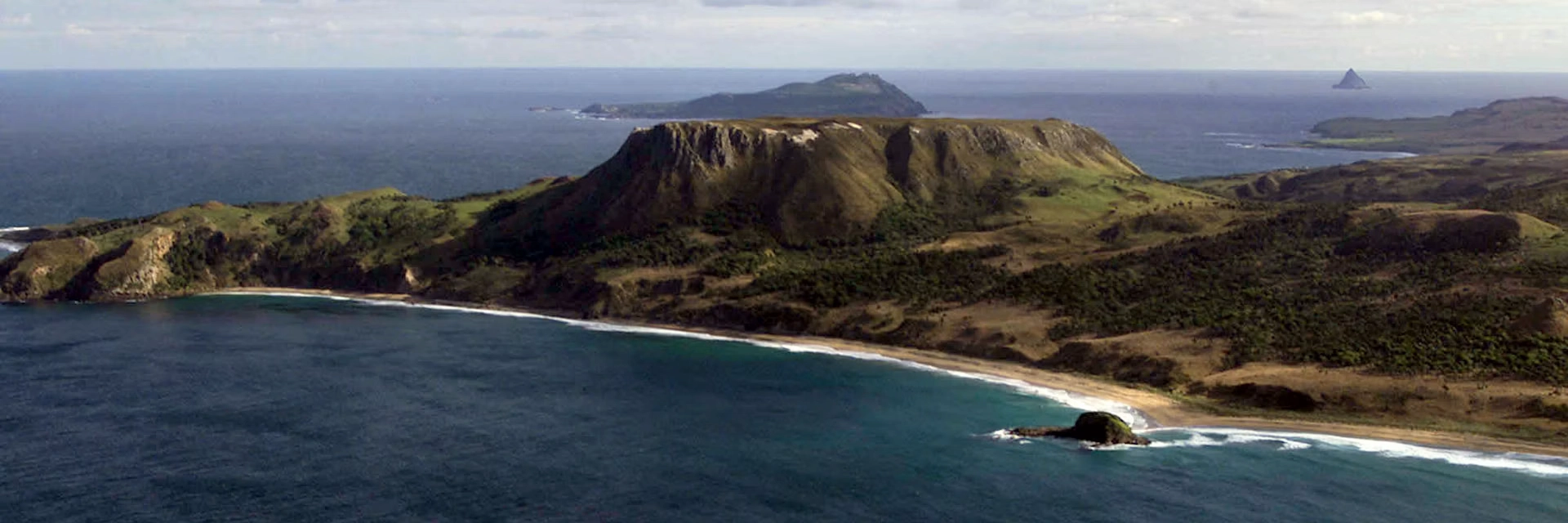
Distant voices: how the revival of ta rē Moriori lets us hear the true history of Rēkohu
The revival of ta rē Moriori is helping reclaim the language, culture and history of Rēkohu (Chatham Islands), challenging misconceptions and ensuring Moriori voices are heard by future generations.

The ageing terraces: are our major events ready for an older New Zealand?
As New Zealand’s population ages, are our major events keeping up? Dr Samantha Heath argues stadium access must extend beyond the gates to ensure older fans can enjoy a night out.
Why is returning colonial loot so difficult? New University of Waikato research has the clues
University of Waikato research reveals how identity and attitudes to colonial history may help explain resistance to returning looted cultural artefacts.
You’re currently viewing the website as a domestic student, you might want to change to international.
You're a domestic student if you are:
You're an International student if you are: