


University of Waikato's dogs trained to sniff out parasitic disease
Researchers are training scent-detection dogs to sniff out a parasitic disease, exploring a faster, non-invasive screening method that could improve global health outcomes.


Our scholars focus on early years research, exploring pedagogy, policy, and community connections in childhood centres and schools for children aged 0 to 8.
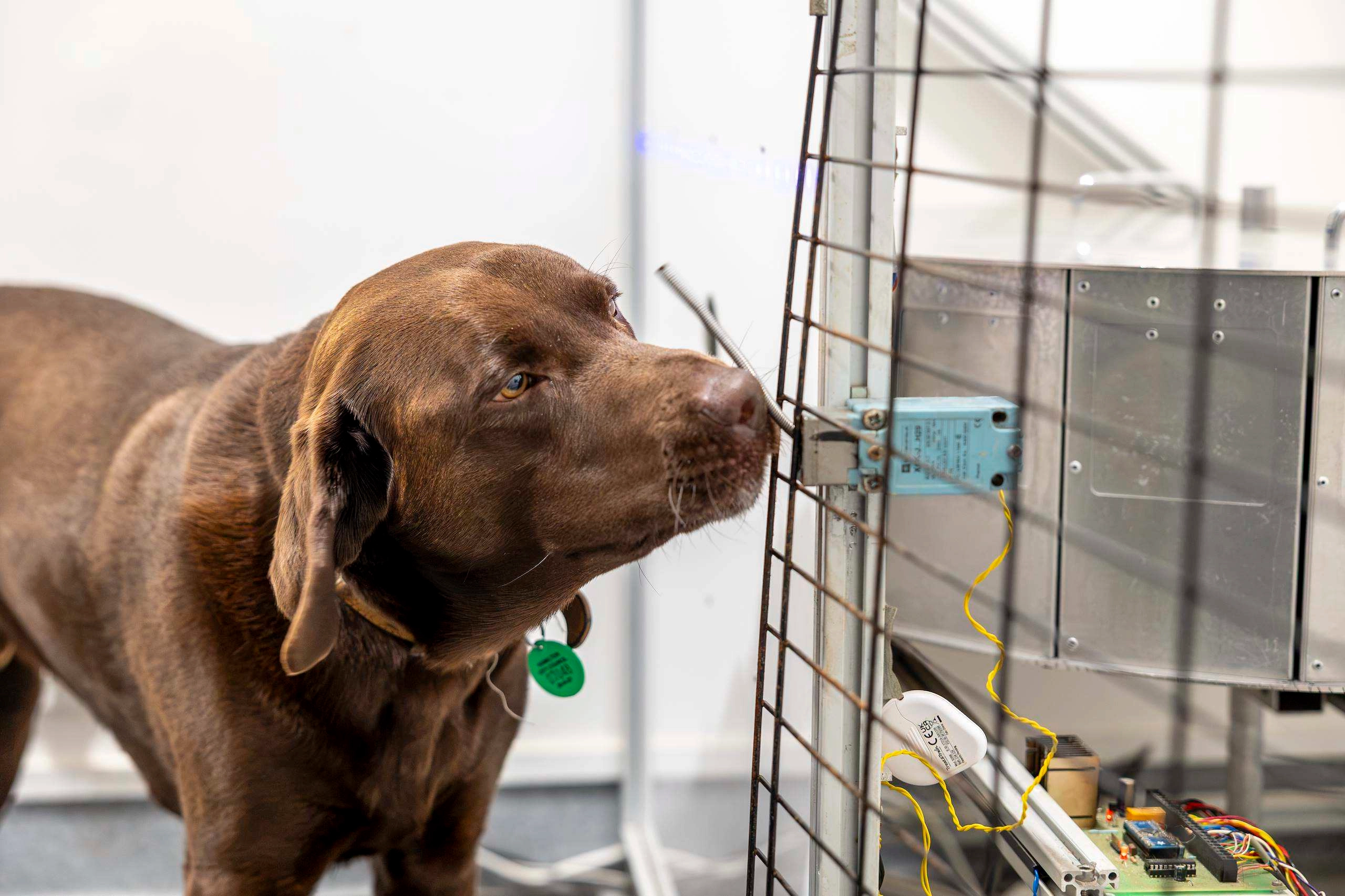
University of Waikato's dogs trained to sniff out parasitic disease
Researchers are training scent-detection dogs to sniff out a parasitic disease, exploring a faster, non-invasive screening method that could improve global health outcomes.

Student ingenuity takes centre stage at Engineering Design Show
It's the 20th anniversary of the show which is the highlight of our internationally recognised professional engineering degree programmes.
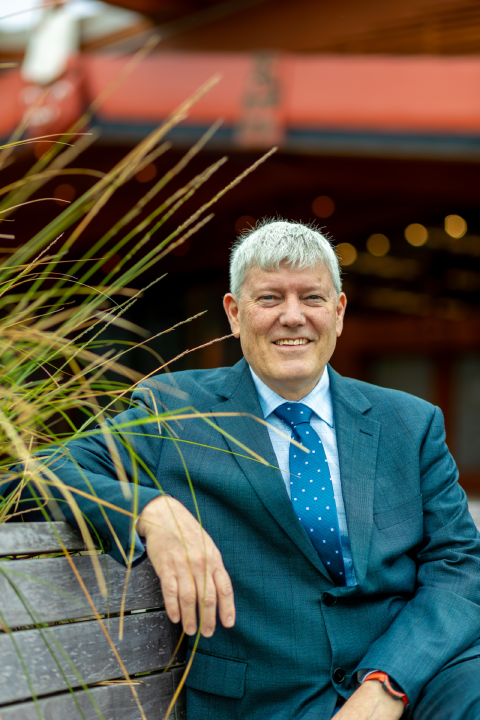
Professor Gary Wilson receives International Science Council’s highest honour
The Deputy Vice-Chancellor Research joins a small number of fellow New Zealand recipients.

How did early Māori society develop? New research reveals a clearer timeline
Archaeologists have traditionally divided early Māori history into three broad periods.
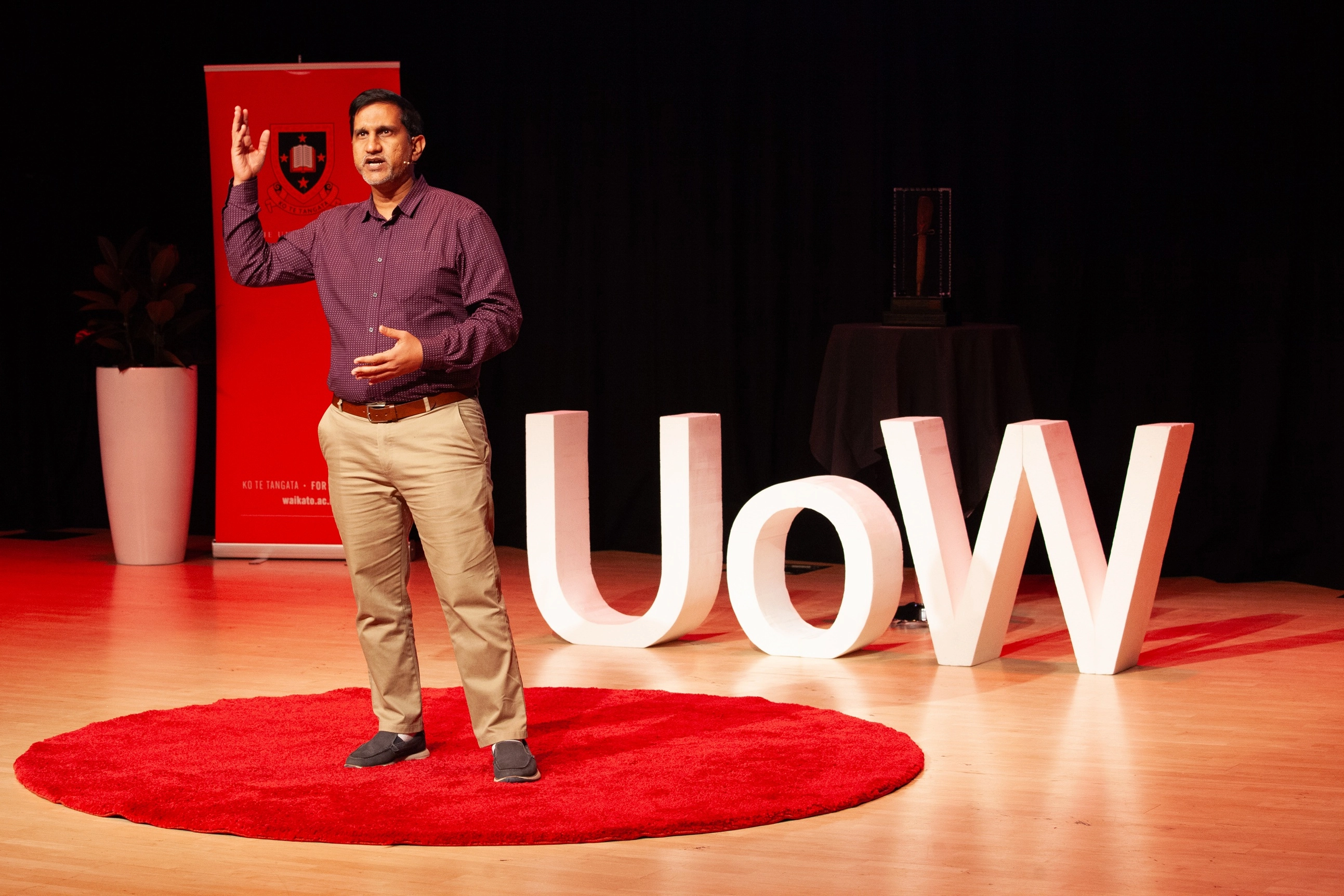
Brainwaves: Testing the limits of 3D-printed metals
University of Waikato PhD research is exploring how thermal cameras could speed up fatigue testing of 3D-printed metals, helping manufacturers assess material performance faster.

Distant voices: how the revival of ta rē Moriori lets us hear the true history of Rēkohu
The revival of ta rē Moriori is helping reclaim the language, culture and history of Rēkohu (Chatham Islands), challenging misconceptions and ensuring Moriori voices are heard by future generations.

Emergency system tests at the University
The purpose of these tests is to identify any issues and help ensure the safety of staff, students, and the wider University community.

Waikato celebrates alumni making an impact worldwide
Three outstanding alumni who were recognised for their achievements and contributions to literature, justice and business at the University of Waikato’s Distinguished Alumni Awards.

The ageing terraces: are our major events ready for an older New Zealand?
As New Zealand’s population ages, are our major events keeping up? Dr Samantha Heath argues stadium access must extend beyond the gates to ensure older fans can enjoy a night out.
You’re currently viewing the website as a domestic student, you might want to change to international.
You're a domestic student if you are:
You're an International student if you are: