The government’s dismantling of climate laws breaks years of cross-party agreement
The government proposes to simplify emissions reduction plans.
Take urgent action to combat climate change and its impacts
We are home of the Environmental Research Institute, a team of highly skilled researchers focused on mitigating the impacts of climate change.
Conscious decision-making about our carbon footprint in all campus operations and capital projects.
Our multi-disciplinary team of researchers exploring how we can be more effective at engaging with our diverse communities so people are more likely to take action on climate change.
We aspire reach 100% renewable energy use on campus. In 2024, of the 79GJ of energy we used, the proportion from renewable sources was 63%.
| 2022 | 2023 | 2024 | |
| Total energy used (GJ) | 78.1 | 77.5 | 79.1 |
| Total energy from low-carbon sources (GJ) | 49.0 | 50.5 | 49.8 |
| Proportion | 63% | 65% | 63% |
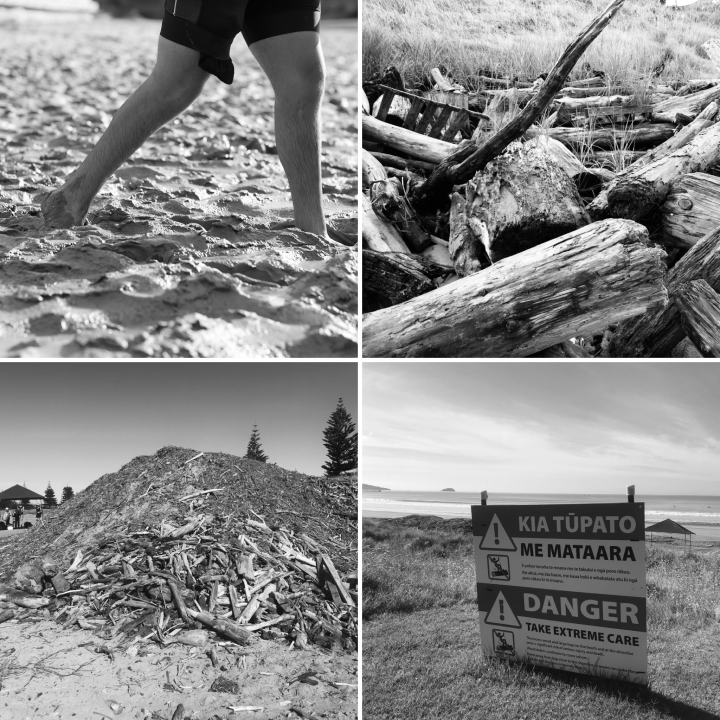
Shortly after Cyclone Gabrielle devastated the East Coast region of the North Island of New Zealand in 2023, the Manatū Hauora/Ministry of Health commissioned a group of researchers including the University of Waikato's Holly Thorpe to investigate the impacts of adverse weather events on health systems and community health and wellbeing.
The community research teams interviewed 143 residents in the two affected regions. They included first responders, heath workers, council staff and members of the public.
A report published by the Ministry of Health in 2024 contained five key recommendations made by the group to help plans for future events.

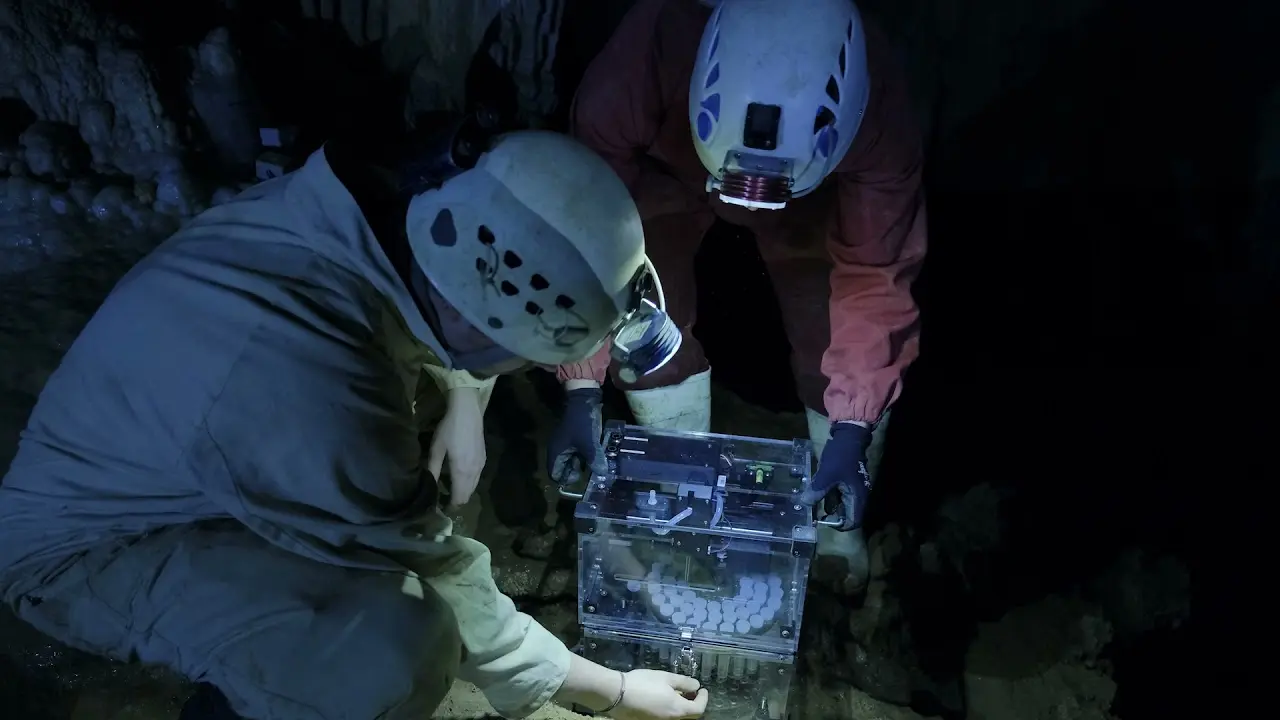
Waikato researchers unlocking keys to climate change hidden in the drip water from inside New Zealand’s deepest caves, have developed a new device which is now being used by researchers around the world. The device, called Syp, is now being manufactured in Hamilton and marketed by Waikato Scientific Instruments. Syp can automatically collect up to 58 predefined water samples over 12 months, all powered by AA batteries. Without Syp, researchers would have to make multiple trips to remote caves that can take hours or even days to reach on foot, making it challenging, time consuming and costly.
The University of Waikato achieved a world-first in 2021, with the launch of a Bachelor of Climate Change degree. The three-year cross-disciplinary undergraduate degree combines scientific knowledge of the biophysical world with understanding of economic and political systems and the impacts on Māori, Pacific, and Indigenous communities. Dean of Science, Professor Margaret Barbour, says students with the new qualification will be in demand as we work towards the target of net-zero emissions by 2050.
You’re currently viewing the website as a domestic student, you might want to change to international.
You're a domestic student if you are:
You're an International student if you are: