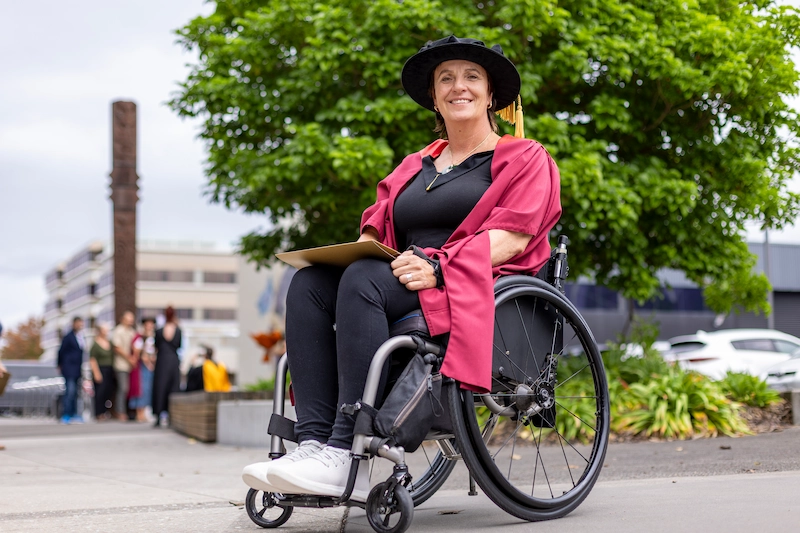
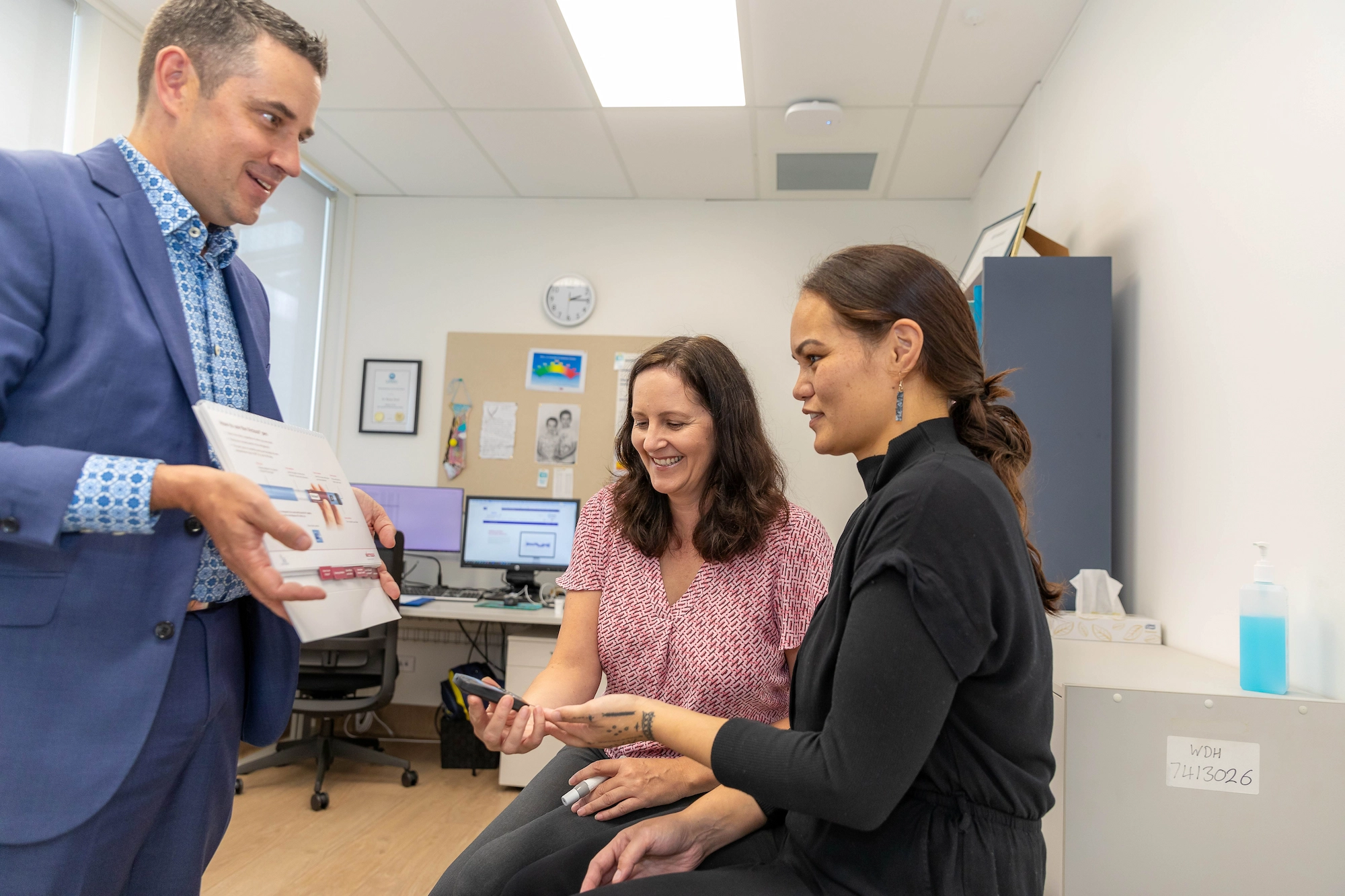
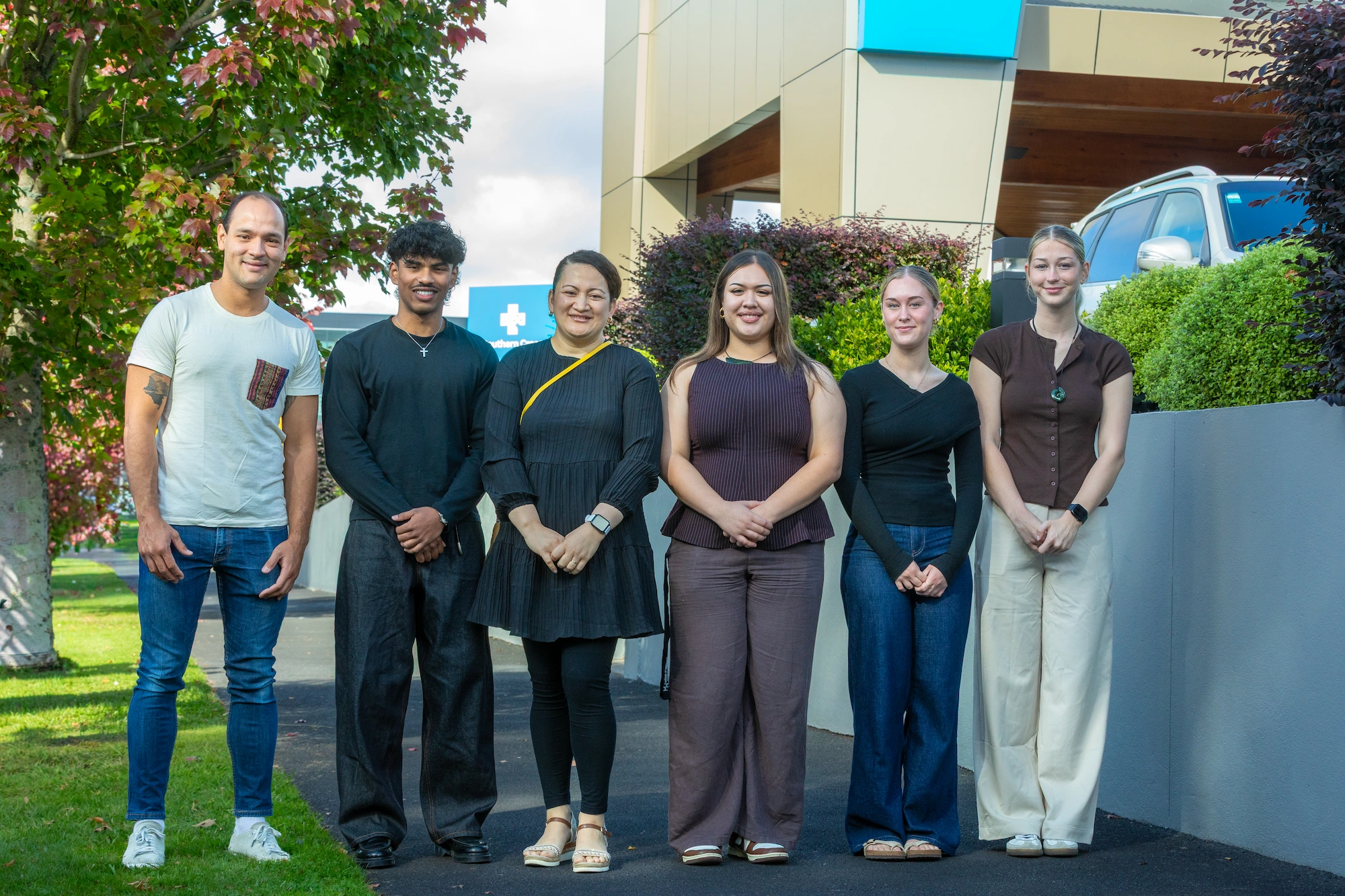
Whoever thinks research is a dull and lonely occupation has got it wrong, says psychology Professor Maryanne Garry, a supervisor of students doing Summer Research Scholarships at the University of Waikato.
In the 2021/22 summer break, 87 Waikato students were awarded scholarships, each of them doing diverse and meaningful research that opened up new learning pathways and opportunities.
“Research is not a boring endeavour,” says Professor Maryanne Garry. “It's social, collaborative, often done in teams, sometimes with colleagues on the other side of the world, and on top of that, it can place students at the leading edge of what we know and don’t know.”
University of Waikato Summer Research Scholarships are worth $6000 and are awarded every year to students who are enrolled in a New Zealand university in an undergraduate degree or final year honours degree.
For 10 weeks students work on research projects that might involve collecting data, data analysis or scientific experiments. Sometimes students are out in the field, sometimes they’re in labs; other times they’re in offices, or even working from home.
Professor Garry says the scholarships can be a critical transition point in a student’s learning; an opportunity for them to see if they want to continue with higher learning or take up a career in research. In her case, she supervises psychological science.
“And these students see how the business of science works. They’re discovering things for the first time. You can almost hear the neurons growing in their brains,” she says.
Student Taryn Farr says she never saw herself as a criminal psychologist, but after two University of Waikato Summer Research Scholarships looking at aspects of crime, she thinks she may have found her calling.
Taryn has just completed a Bachelor of Social Sciences majoring in Psychology and Public Relations and is now completing an honours year in Psychology.
“I really didn’t go to university thinking this’d be the path I’d go down,” Taryn says. “The first summer research scholarship made me realise the different avenues you can go [in psychology]. There are so many opportunities and once you take up one, other random ones open up for you.”
That first summer research scholarship saw Taryn working the Department of Internal Affairs to study the psychology of terrorists and how they become radicalised online.
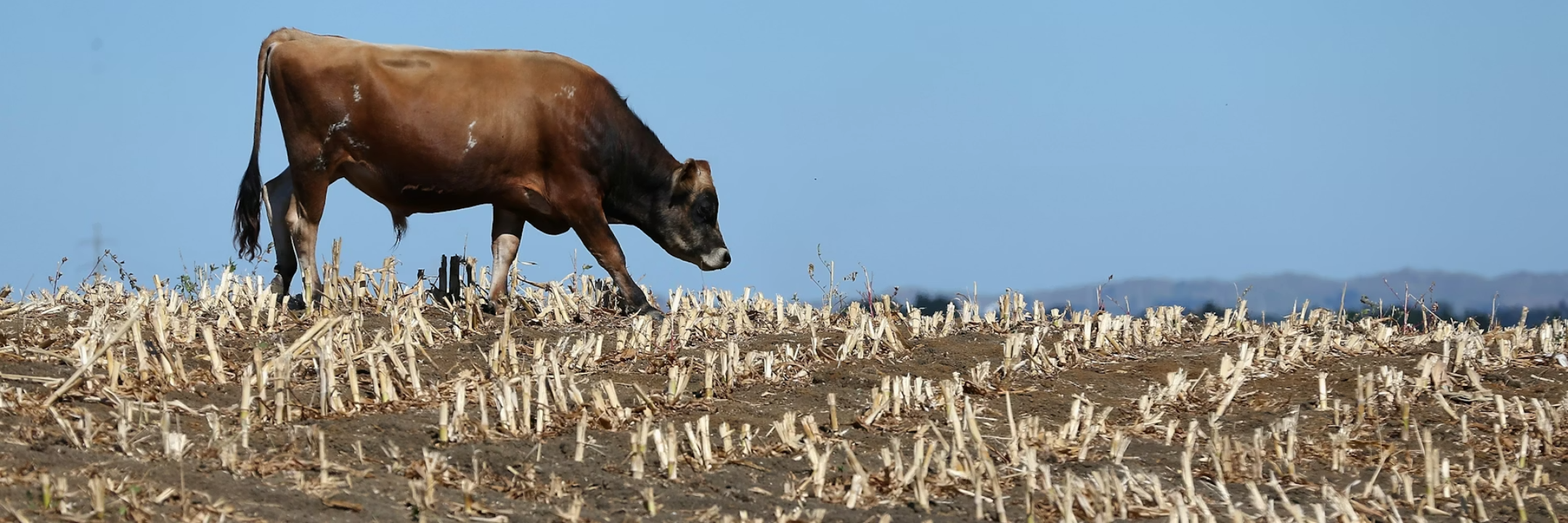
Robbie Maris received summer research scholarships in 2019/20 and again in 2020/21, and says the programme was a great way to learn about research in a “real world” environment. The Chemistry and Economics major worked for DairyNZ in the second year, one of the many external partners that have come on board with the scholarship programme.
Robbie was tasked with looking at dairy farm performance and efficiency.
“My focus was on-farm operating profit margin, looking at what characteristics and practices on-farm improve those margins, and what drivers influence them,” he says.
He presented his research (virtually) in February this year at the 66th Annual Australasian Agricultural Resource and Economic Society’s conference.
Other external partners of the programme include forestry’s Scion, Bay of Plenty business development agency Priority One, Gallagher Group Ltd and Braemar Charitable Trust.
University of Waikato Deputy Vice-Chancellor Research Professor Bryony James says the Summer Research programme allows for the university’s external partners to support research to achieve their own aspirations.
“A short time frame, an enthusiastic and accomplished student, and a leading academic supervisor contribute to highly productive research collaborations with local industries and businesses,” she says.
Other projects in the 2021/22 summer included Sophia Harrison (Ngāti Rongomaiwahine, Ngāti Kahungunu, Ngāti Porou) who worked in Te Pua Wānanga ki te Ao Faculty of Māori and Indigenous Studies researching Māori and Pacific approaches to sustainability.
Her findings have contributed to the third-year paper Sustainability in Māori, Pacific, and Indigenous Contexts. Sophia could do a lot of her research from home, but she preferred to come to campus where she worked alongside other young Māori researchers and long-admired academics.
“And they were all wāhine pursuing these careers and doing research, and I thought, ‘I can be like you’.”
In contrast, Caleb Crosbie spent his summer knee-deep in Tauranga’s carbon rich tidal flats, investigating whether global change has had an impact on marine sediment communities. He says the project has whetted his appetite to do even more coastal environment research for his master’s degree. He is conscious that as a scientist he is uncovering problems, so he wants to be part of the solution.