Waikato expands timber expertise to support construction sector
A WIDE Trust-funded appointment will connect research, teaching and industry partnerships to advance low-carbon building solutions and prepare the next generation of engineers.
Ensure sustainable consumption and production patterns

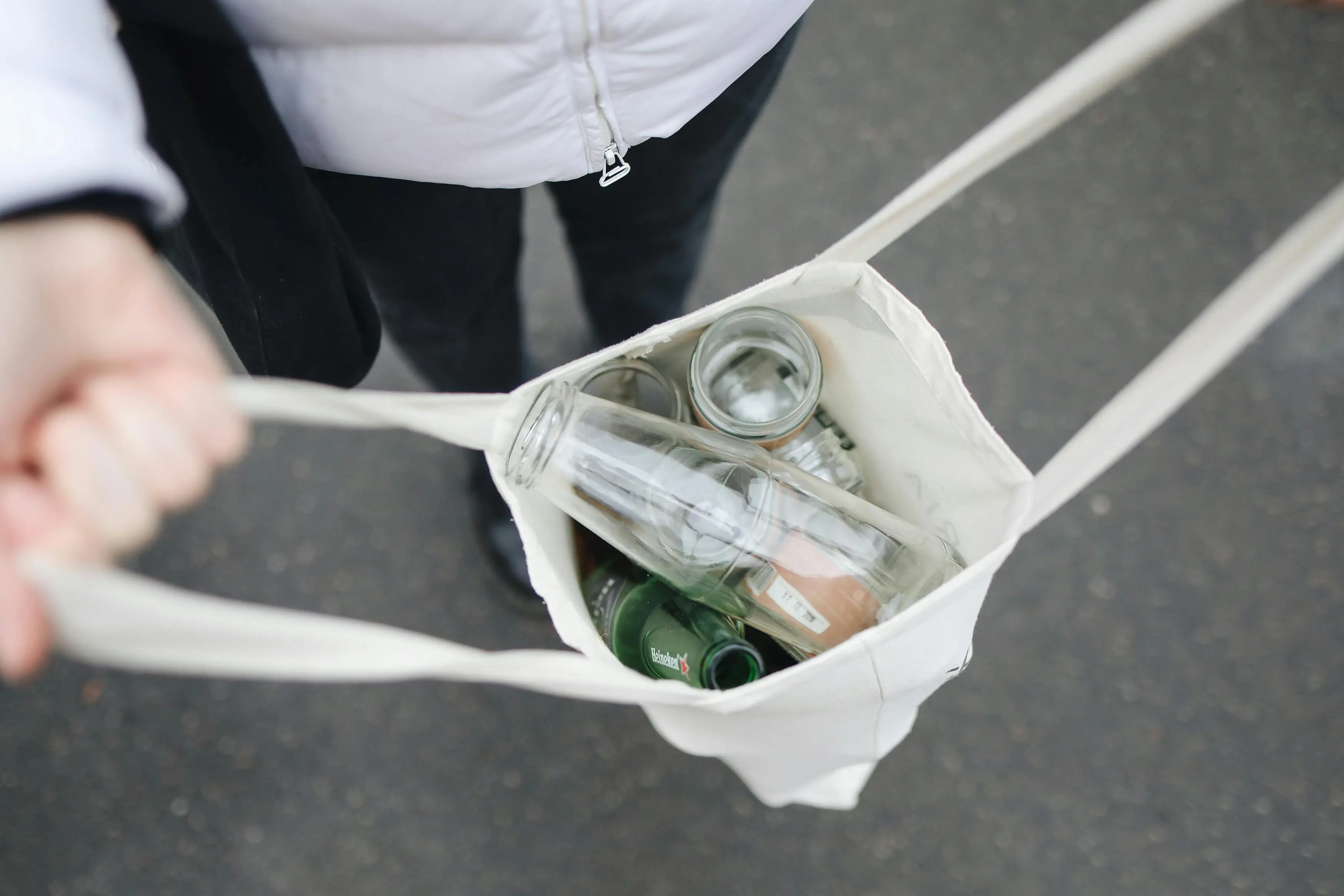
We work to reduce waste and single-use items through our waste minimisation plans, procurement practices, and sustainable catering.

We extend the life of resources, including IT equipment, through reuse, refurbishment, and responsible disposal practices.
We track the waste we generate and recycle, while working to divert more waste from landfill and support a circular economy.
The University of Waikato has procurement requirements that support the ethical and responsible sourcing of food and supplies. The Procurement Policy (opens in a new tab) requires all procurement to uphold high ethical standards and states that sourcing must take an ethical approach throughout the procurement process and supply chains. Suppliers and their extended supply chains must comply with the University's Supplier Code of Conduct (opens in a new tab), which specifically covers ethical sourcing, human rights and working conditions, environmental management and modern slavery.
Our comprehensive Waste Minimisation and Management Plan (opens in a new tab) (PDF, 2.1MB) lays out a clear roadmap for reducing and recycling waste on campus. We annually assess waste and report on how we are tracking and work closely with our students, staff and suppliers to change mindsets and behaviour.
The Plan contains actions relating to:
The University of Waikato has policies and plans that support the reduction and phase-out of disposable and single-use items. The Waste Minimisation and Management Plan 2024–2027 (opens in a new tab) specifically identifies reducing plastics and packaging as a priority, including reducing single-use plastics and phasing out plastic packaging on food products. The Plan also calls for compostable alternatives and identifies University shops, cafés and suppliers as being responsible for implementation.
The Environmental Sustainability Policy (opens in a new tab) establishes the University's broader commitment to environmental sustainability and identifies the Waste Minimisation and Management Plan as a key supporting document.
The University's onsite catering provider, Kahurangi, also commits to reducing disposable packaging as part of its sustainable catering practices (opens in a new tab).
In 2025, we generated 390 tonnes of waste, of which 121 tonnes was recycled. This is a reduction in overall and landfill waste and an increase in the amount recycled compared to 2024.
| 2023 | 2024 | 2025 | |
|---|---|---|---|
| Waste generated across the University (metric tonnes) | 627 | 420 | 390 |
| Waste recycled across the University (metric tonnes) | 222 | 91 | 121 |
| Waste across the University going to landfill (metric tonnes) | 405 | 329 | 269 |
| Proportion diverted from landfill | 35% | 22% | 31% |
Through our partnership with PB Tech (opens in a new tab) the University of Waikato is committed to reducing waste at all points in the life-cycle of our computing equipment. This starts with minimising packaging and shipping emissions associated with new IT equipment, and goes through to reducing e-waste by reusing, reselling, and recycling equipment at the end of its life-cycle.
PB Tech assesses all computing equipment decommissioned in the university, which includes staff computers, as well as computers in labs and teaching spaces. High quality laptops and computer lab desktops are donated to a Waikato Schools program who rebuild computers and target donations across the region to address student inequity. All good quality desktops are refurbished and onsold by PB Tech into the New Zealand market for a second life. All remaining e-waste is gathered by PB Tech, who then send it to Echo Tech (opens in a new tab), a specialist e-waste recycler, who disassembles the devices to recover the reusable parts. This ensures that components will be reused and recycled where possible, with harmful pollutants diverted from landfill.
The University of Waikato is leading a multidisciplinary project, Āmiomio Aotearoa, focused on developing a circular economy concept for Aotearoa, New Zealand. The project aims to reduce waste and develop a more sustainable model of production and consumption with a focus on the construction and packaging industries.
Led by Professor Kim Pickering (opens in a new tab), a global expert in materials engineering, Āmiomio Aotearoa is backed by $10.9 million courtesy of the Ministry of Business, Innovation and Employment (MBIE). It brings together a diverse range of people including scientists, engineers, business experts and policy advisors to focus on waste reduction in the construction and packaging industries, incorporating Indigenous perspectives and traditional Māori knowledge (mātauranga Māori).
Waikato expands timber expertise to support construction sector
A WIDE Trust-funded appointment will connect research, teaching and industry partnerships to advance low-carbon building solutions and prepare the next generation of engineers.

Waikato AI Director awarded distinguished researcher fellowship
Professor Albert Bifet has been acknowledged for his contribution to AI research.
Brainwaves: Testing the limits of 3D-printed metals
University of Waikato PhD research is exploring how thermal cameras could speed up fatigue testing of 3D-printed metals, helping manufacturers assess material performance faster.
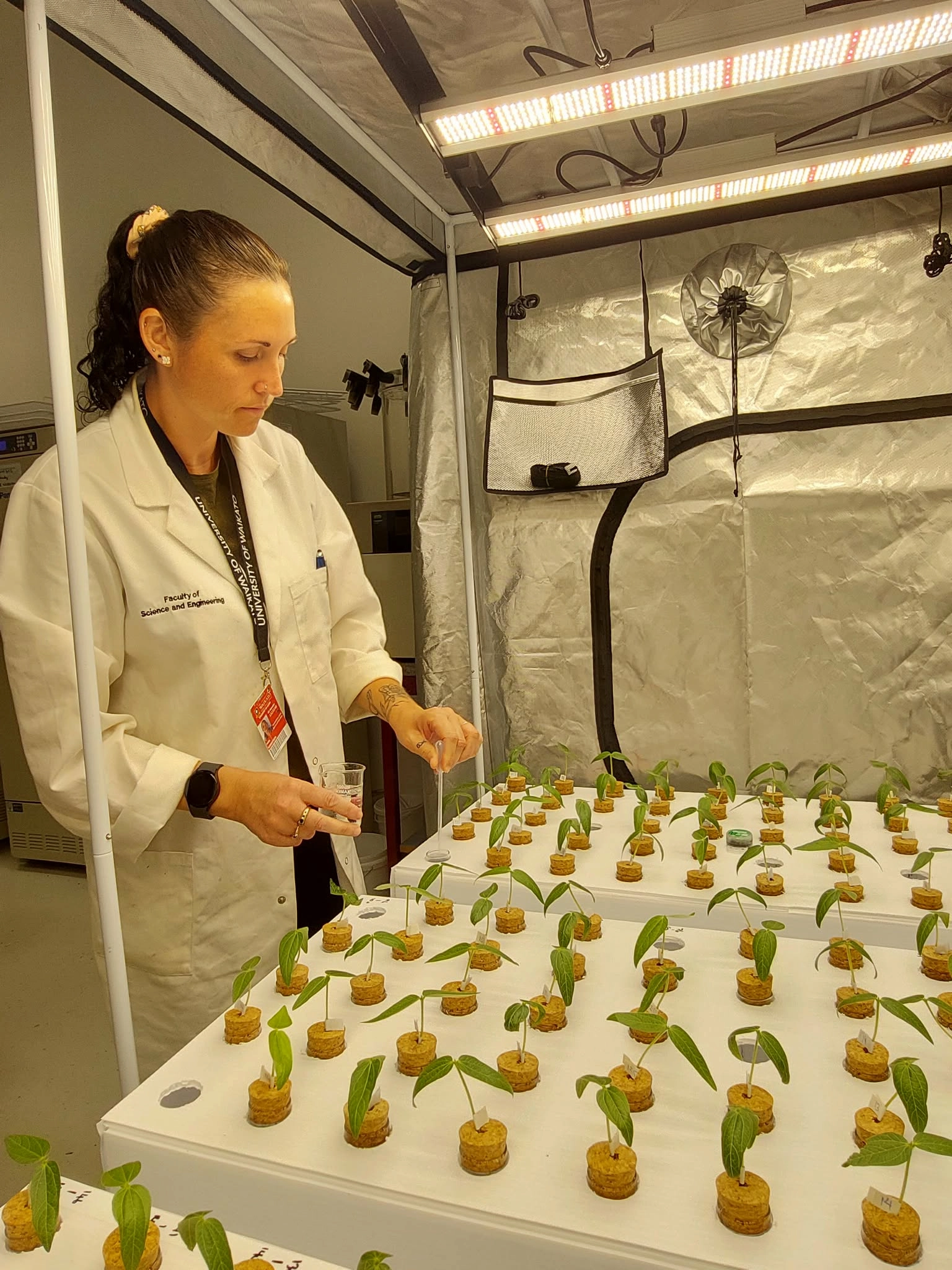
Brainwaves: I spent years brewing seaweed to help grow tomorrow's food
What if the future of sustainable farming was hidden in ordinary green seaweed? A University of Waikato researcher explains how fermenting seaweed could help grow healthier crops while reducing agriculture's environmental footprint.

One grain to rule them all: the history of rice as a global food
The importance of rice in many cultures is embedded in the daily life, cultural practices, rites and rituals.
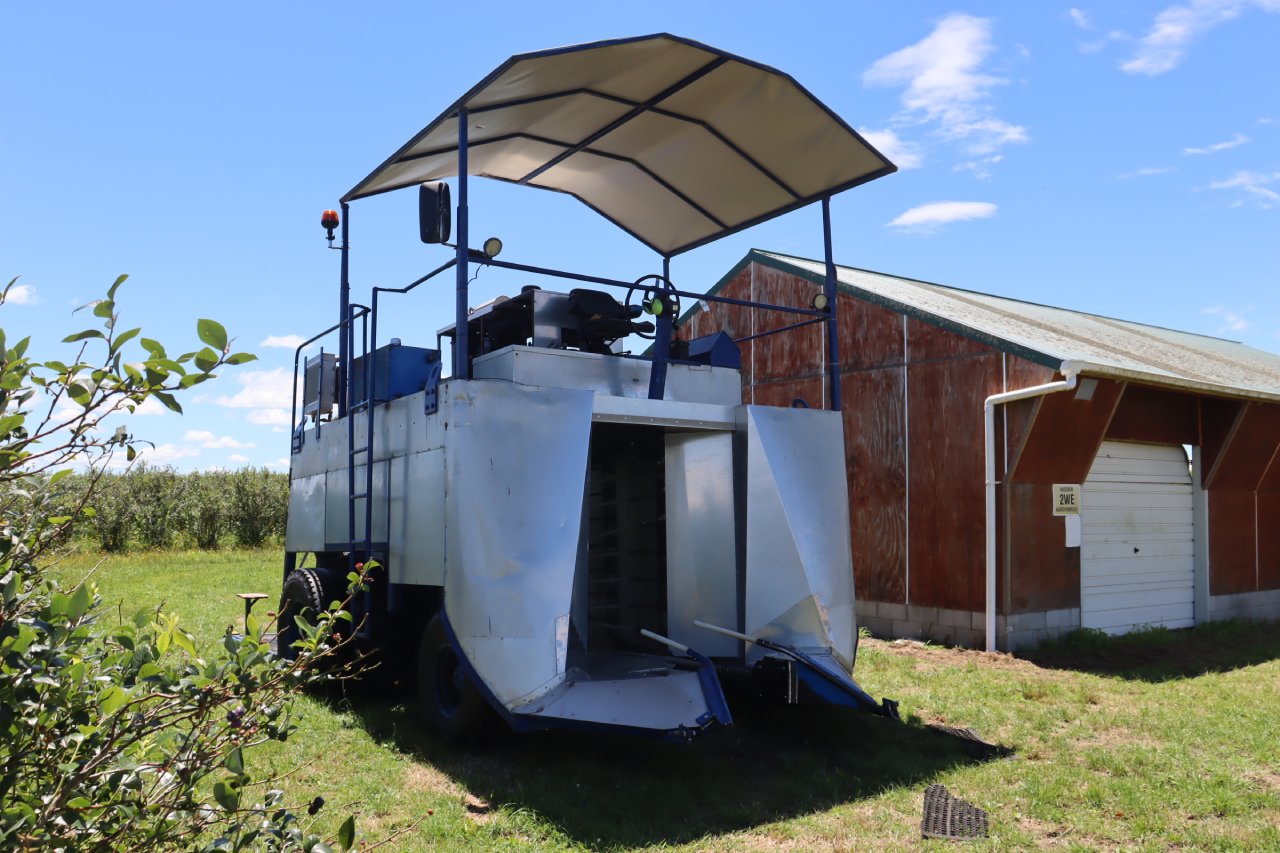
Shake, rattle, harvest: AI aims to boost better berries
The AI technology will feature at this year's Fieldays Innovation Hub.

NZ’s ‘light‑touch’ approach to voluntary carbon and nature markets may unlock finance but risks credibility
NZ’s voluntary carbon and nature markets could boost climate finance and biodiversity outcomes, but weak regulation risks greenwashing and undermining public trust.

Some technologies use accelerated natural processes to capture carbon – but can they store it durably?
New technologies are accelerating natural carbon capture processes, with scientists examining whether captured carbon can be stored safely and permanently to help address climate change.
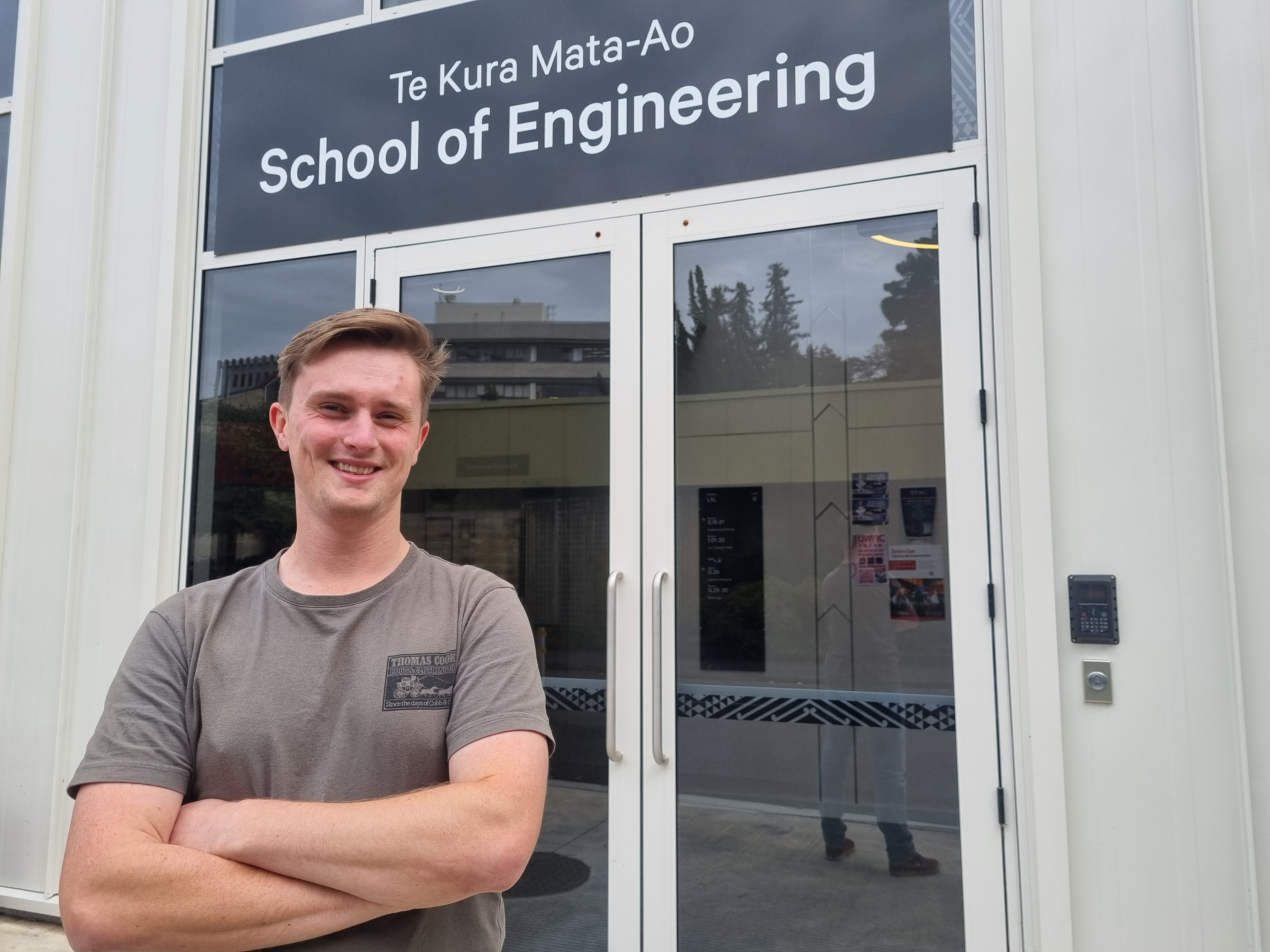
Cutting polystyrene waste: Waikato research points to plant-based solution
A University of Waikato engineering PhD student is developing a plant-based, biodegradable alternative to polystyrene, targeting one of the world’s most persistent plastic waste problems.
You’re currently viewing the website as a domestic student, you might want to change to international.
You're a domestic student if you are:
You're an International student if you are: