University of Waikato Professor Albert Bifet (opens in a new tab) has been awarded a Mana Tūārangi Distinguished Researcher Fellowship by Royal Society Te Apārangi, recognising his outstanding contributions to artificial intelligence (AI) and his international reputation in the field.
Professor Bifet, Director of Te Ipu o te Mahara AI Institute (opens in a new tab) at the University of Waikato, is one of only two researchers nationally to receive the fellowship this year. Both 2026 fellowships were awarded in Artificial Intelligence Technologies; the other recipient is Professor Bing Xue of Te Herenga Waka – Victoria University of Wellington.
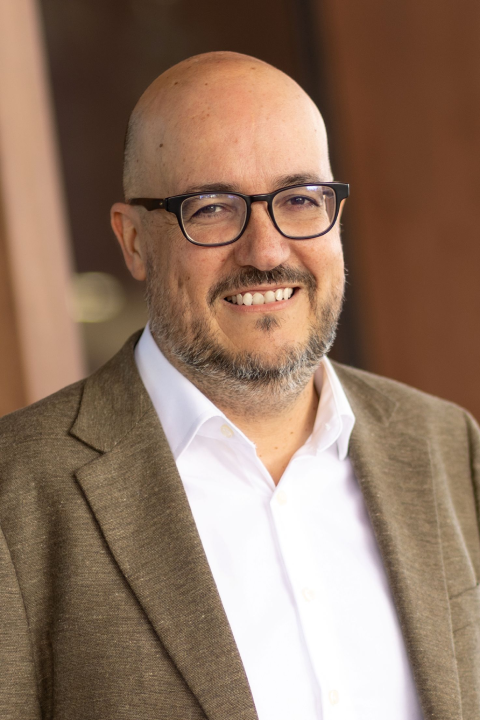
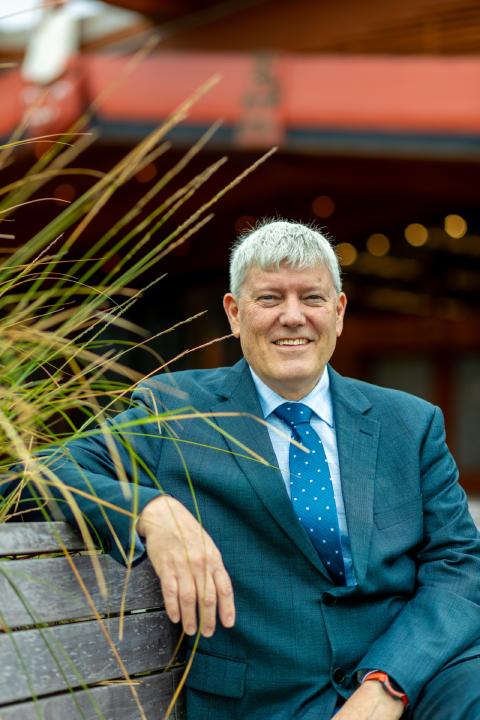
Professor Albert Bifet
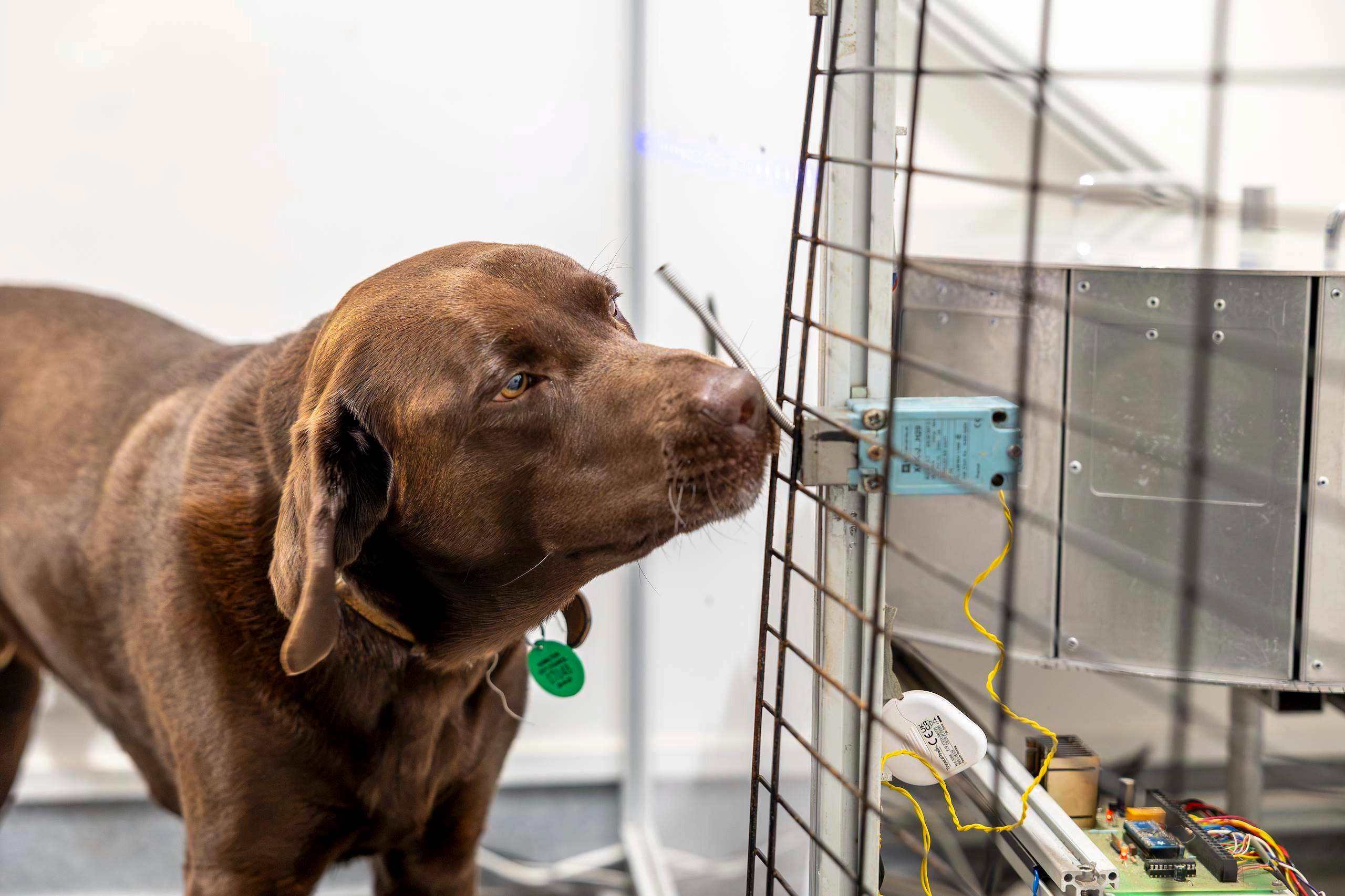
The fellowship will support his research on edge AI: artificial intelligence that runs directly on everyday devices such as phones, farm sensors and trap cameras, where the data is collected, instead of sending that data to large data centres overseas. Running AI on the device keeps data private, gives instant answers, works without an internet connection and uses a fraction of the energy.
The fellowship provides $220,000 over up to two years, along with support from Royal Society Te Apārangi to extend his leadership role. Chair of the selection panel, Professor Brendan McCane of the University of Otago, said both recipients are outstanding, internationally recognised scholars, selected from many very high-quality applications.
“It’s a privilege to receive this recognition and to be part of New Zealand’s growing AI research community,” says Professor Bifet. “This fellowship is an exciting opportunity to build on our research, strengthen international collaboration and help position New Zealand at the forefront of AI innovation.”
Mana Tūārangi Distinguished Researcher Fellowships recognise established researchers with exceptional achievements. Funded by the Ministry of Business, Innovation and Employment (MBIE) and administered by Royal Society Te Apārangi, they support researchers to undertake impactful research and strengthen their leadership across New Zealand’s science, innovation and technology sector.
Professor Bifet will develop edge AI agents that can observe, reason and remember, learning continuously from new information while remaining trustworthy as they adapt. These agents will run on small, low-power devices and work alongside other AI systems. The technology will be tested in areas important to New Zealand’s economy and communities, including environmental monitoring, precision agriculture and resilient infrastructure.
“AI has enormous potential, but we need systems that can adapt to the world around them without constantly relying on large amounts of computing power,” he says. “Our goal is AI that learns continuously, works alongside other intelligent systems and runs efficiently on everyday devices. This could open up new ways of using AI in real-world environments, while making the technology more accessible, sustainable and trustworthy.”
The award comes as AI becomes a national research priority. Under MBIE’s Science Investment Plan 2026–2036, the Technology for Prosperity pillar grows from 15% to 32% of national science investment by 2029/30, and its first outcome is AI and Advanced Computing, with edge AI named as a priority area.
The University of Waikato has been building AI for more than three decades. WEKA (opens in a new tab), the machine learning software first developed at Waikato in 1993, has been downloaded more than 12.5 million times and is how millions of people around the world first met machine learning. Since its launch, the AI Institute has won $19.2 million in external research funding and built 11 AI applications with partners.
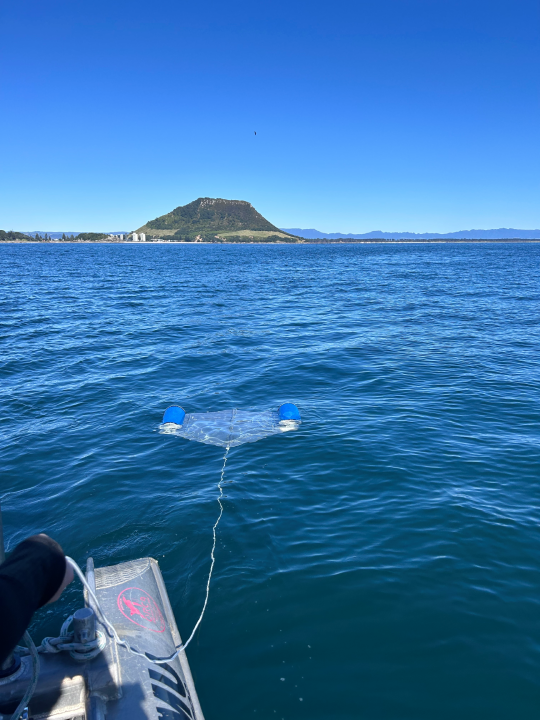
Professor Bifet leads TAIAO (opens in a new tab), a MBIE-funded programme using AI to make environmental data more accessible to scientists and communities. The Institute’s newest open-source project, TuiML (opens in a new tab), lets AI agents train, evaluate and run machine learning models locally, so data stays on the user’s own machine.
He also contributes to national AI leadership as a member of the Executive Committee of the AI Forum New Zealand (opens in a new tab), and as co-chair and co-author of the AI Researchers Association (opens in a new tab) white paper Aotearoa New Zealand Artificial Intelligence: A Strategic Approach, whose third edition was released this month.
Professor Bifet says the fellowship reflects a team effort.
“I want to thank my fellow co-directors of the AI Institute, Professor Te Taka Keegan, Professor Bernhard Pfahringer and Professor Eibe Frank, and everyone at the Institute. This recognition belongs to all of us, and to the many people who have built AI at Waikato over the years.”