Journalist career

Kaihaurapa kōrero nūpepa

Journalists research and write stories and report news events and issues for broadcast, print, web and digital media. They may interview people as part of their investigative work.

Journalists research and write stories and report news events and issues for broadcast, print, web and digital media. They may interview people as part of their investigative work.

What would you do as a Journalist?

Journalists

  • usually work shifts, including early mornings, evenings and weekends
  • usually work in newsrooms and may travel locally, nationally and internationally
  • may do emotionally demanding work
  • need to communicate well, and work well in a team and under pressure

Tasks

  • write informational material
  • report news to the public
  • co-ordinate reporting or editing activities
  • determine presentation subjects or content
  • analyse information obtained from news sources
  • gather information for news stories
  • coordinate logistics for productions or events
  • develop professional relationships or networks
  • edit written materials
  • operate communications, transmissions, or broadcasting equipment

How can you become a Journalist?

You usually need experience to become a journalist and a qualification may be useful.

You may need

  • experience in similar work
  • a relevant tertiary qualification in communication and media or similar area
  • a driver licence
  • a writing portfolio

If you're in school

You usually need NCEA Level 3 to do the study or training for this job.

Our Bachelor of Communication teaches you to research, write and tell stories across media, from websites and social media to films and podcasts. You can also build your writing and media skills through our Bachelor of Arts. Like all our undergraduate degrees, both include work-integrated learning, and you'll build a portfolio of your work to show future employers.

After your degree, our Master of Professional Writing sharpens your writing for digital media and professional publication through practice-based papers. For a screen and audio focus, our Master of Media and Creative Technologies lets you develop major creative work, such as documentaries, podcasts and online content, as the centrepiece of your portfolio.

View all qualifications

Journalist career FAQs

Scholarships

A range of scholarships are available to help with the cost of studying at Waikato. Options are available across a wide range of subjects and study levels, including scholarships for new students, current students and specific areas of study.

Find a scholarship

QS ranking

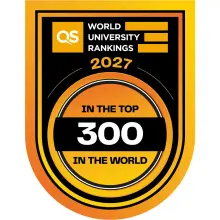
QS World University Rankings 2027

Waikato is ranked equal 293rd globally, placing us in the top 1.5% of universities worldwide, and 2nd in New Zealand by citations per faculty.