As a teacher with over 20 years of experience, I have seen firsthand the rapid change of digital technology in the classroom over the decades.
While technologies have advanced, their potential to enhance – or detract from – a learner’s experience has also become apparent.
Alongside this digital progress has been a decline in academic performance of New Zealand maths students.
Being a maths teacher, I began to wonder, where could this advance in digital technology fit in solving our declining maths competency rates? What motivates a teacher to use digital technology, and what influences shape those choices?
There was only one way to find out: by enrolling to complete my PhD at the University of Waikato’s Tauranga campus.
My aim was to uncover year 7-10 maths teachers’ perceptions of the influences that affect their use – or not – of digital technology in the classroom.
I wanted to know the reality other maths teachers were experiencing in their teaching practice.
Was I alone in this feeling that technology could assist, but that I didn’t always have access to the tools I needed to deliver it effectively? And what could be done to improve this uptake in technologies to help our nation’s maths students?
The approach was simple: to sit down with six teachers from four different schools and have a series of face-to-face interviews to capture their thoughts and perspectives.
What came up was a fascinating picture of the wellbeing landscape of our teachers in a shifting field that is increasingly under-resourced.
In an unexpected twist of fate, during this time a global pandemic occurred, driving a seismic shift in the way teachers use technology.
Covid-19 led to a total immersion in the use of digital technology for all teachers. Regardless of whether they were willing or able, every teacher had to learn how to use new technology to support their students’ learning.
Teaching had essentially gone from being delivered in-person in the classroom, to being conducted online, from our homes, in front of screens.
We were forced to learn new ways of working at a rapid rate, and not always with the tools, resourcing and compassion that is required to support successful adoption of a new practice.
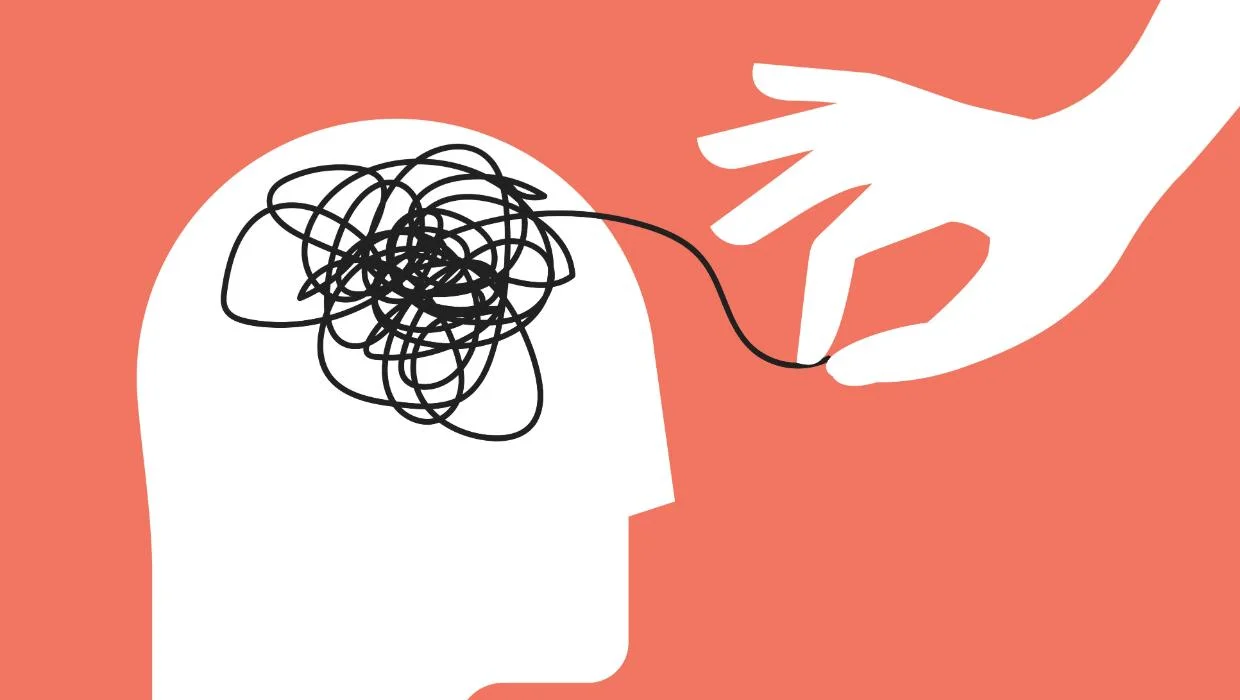
This was a stressful experience for many teachers.
Throughout my interviews, it became clear that Covid-19 compounded other factors already affecting the resilience of year 7-10 maths teachers and their willingness to use digital technology in their teaching practice.
These included the way the nationwide teacher shortage was leading to teaching “out-of-field”; the practice of teachers being assigned to instruct classes outside their major areas of formal tertiary study, leaving many teachers struggling to confidently teach maths. This resulted in a phenomenon known as “mathematics anxiety” – where a maths teacher feels anxious that they lack skills and competencies to effectively teach maths.
This combination of external stressors affecting our maths teachers showed me that teacher resilience is the most important factor to aid the uptake of digital technologies.
They must be empowered to make decisions on what they want to do and be given the tools and training to implement the changes themselves. Having new approaches forced upon them without consultation simply led to resentment and reduced uptake.
Schools need to ensure all staff are upskilled in the use of any new software, so everyone is equipped to help students.
The use of specifically designed applications and software for maths learning is an important solution to consider. This can help offset the challenges of teaching out-of-field and mathematics anxiety.
And if we are faced with another pandemic, or other external forces that speed up the need for use of digital teaching methods, having a resilient teaching workforce will help to make that transition much smoother.
The reality is, Gen Z students are surrounded by technology, and we need to meet them where they are to aid their learning. The classrooms that were focused on promoting student-led learning and active participation were most effective, which is naturally going to require elements of digital learning.
Our teachers want to see their students succeed, but just like their pupils, they need to feel empowered, supported and confident to do so. By building their resilience, we can help to make a difference.
Dr Kerry N-Garrett received her Doctor of Philosophy in Education at the University of Waikato’s Tauranga campus.
Originally published in the Sunday Star-Times Brainwaves feature. Read the original on The Post. Brainwaves: It isn’t just students struggling with maths – our teachers need support, too (opens in a new tab)