Primary school children's confidence with te reo Māori offers a fresh perspective on language and belonging in New Zealand, writes University of Waikato doctoral researcher Jessie Burnette.
Asking children to help name picture cards for a game of Go Fish offered a way to explore which words they thought everyone would understand. Would they choose English words, or words from te reo Māori?
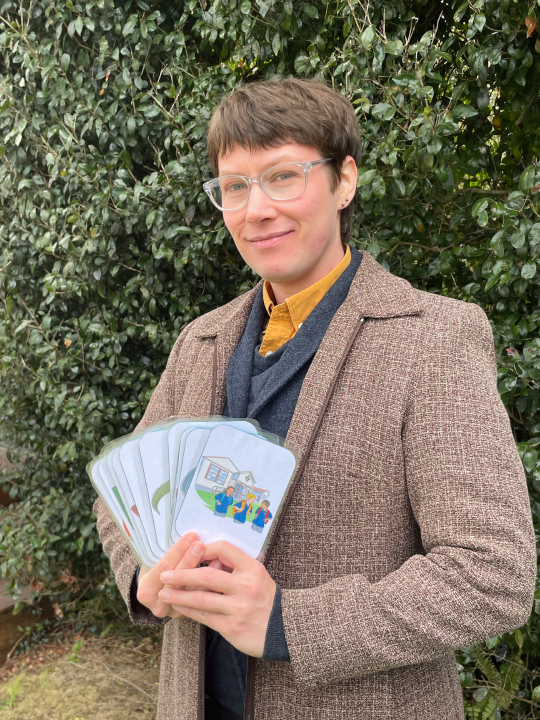
University of Waikato doctoral researcher Jessie Burnette
Their answers opened a window into something we know surprisingly little about, how children learning primarily in English understand and use te reo Māori words and the social meanings they attach to them.
Words such as kia ora and pūkeko are familiar features of New Zealand English. Even people who consider themselves English speakers only may use te reo Māori words without having formally studied the language.
But learning a word involves more than knowing what it means. We also learn who uses it, where we hear it, and when we might choose to use it ourselves.
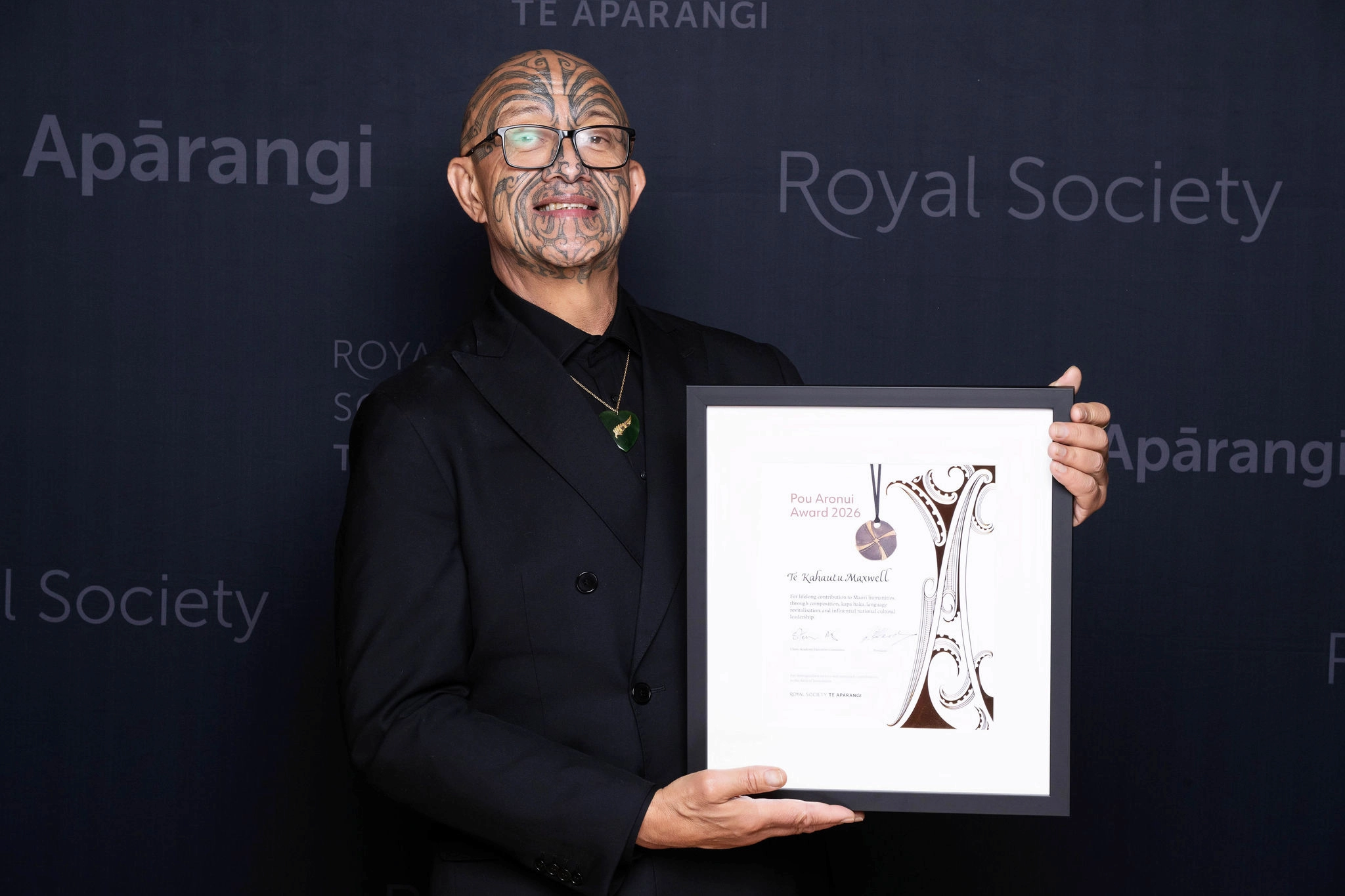
My doctoral research at the University of Waikato with funding from the Marsden Fund Royal Society Te Apārangi explores those questions with primary school children. While previous research has examined adults' use of te reo Māori words, we have a much less complete picture of younger speakers.
I spoke with 32 children at two Hamilton schools, mostly aged between eight to 12. They came from diverse backgrounds, including families who had migrated to New Zealand.
The children's confidence was an initial surprise. They readily shared words they knew and were often happy to explain their meanings to me, taking on the role of someone teaching a visitor.
My research does not formally assess pronunciation, but I was also impressed by how confidently they pronounced many words.
The card game helped distinguish between words children chose to offer and words they recognise. When asked to suggest names everyone would know, children supplied te reo Māori words for just under half of the 12 pictures, on average.
Later, when asked to match words with pictures, they recognised an average of about 10 te reo Māori words.
The difference matters. Knowing a word does not necessarily mean choosing it when we are thinking about what other people will understand.
Children were also very aware of where they heard te reo Māori words and which adults used them. Even younger participants could describe those patterns, although they could not always explain their observations as fully as older children.
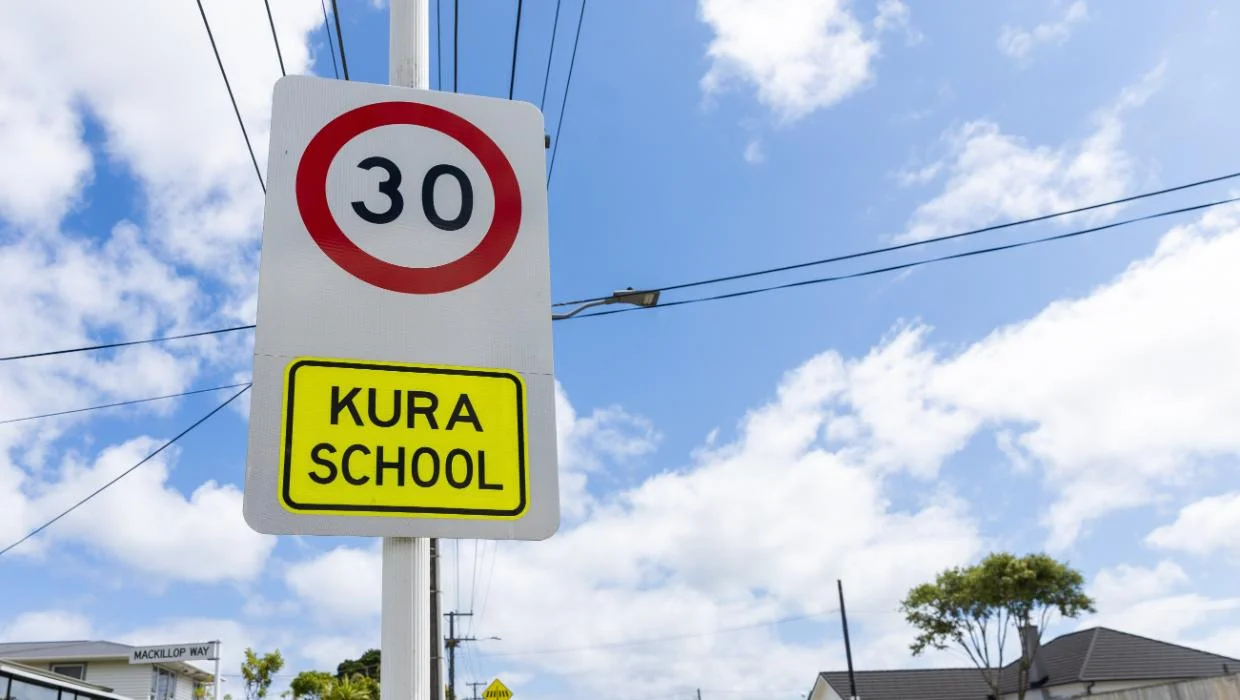
School emerged as an important place for learning and sharing these words, including for children who reported less exposure at home.
That interests me because research with adults has highlighted a particular tension; people may support te reo Māori while worrying that they do not know enough, or cannot pronounce words correctly enough, to use them.
The children interviewed showed a confidence that offers an encouraging contrast.
This small study cannot predict the future of New Zealand English. Nor can it say whether children will take every word they learn beyond the classroom, or whether knowing individual words will lead to bilingualism.
What I can say is that these children are learning te reo Māori words, recognising them, and expressing enthusiasm about using them.
Their observations remind us that children notice not just language itself, but the social world around them.
My interest in language began partly with my own experience of moving from the United States as I was starting high school. Differences in how people spoke made me think about belonging and how language helps us communicate who we are.
I hope this research helps build a fuller picture of children's experiences with languages and informs support for teachers. For me, the most rewarding part has been listening to children share what they know. They have plenty to tell us if we make room to listen.
Originally published in the Sunday Star-Times Brainwaves feature. Read the original on The Post. Brainwaves: What children's words tell us