Disabled young people face barriers built into sport
Research explores how coaches’ everyday decisions shape who gets a chance to play, develop their skills and feel part of a team.
Reduce inequality within and among countries


We support equitable access to education and track participation to identify and address inequalities.

We work to create an inclusive university where people from diverse communities can participate, belong, and succeed.

Our research and programmes challenge racism, discrimination, and other barriers that contribute to inequality.
The University of Waikato's Admission Statute (opens in a new tab) establishes the principle of equitable access to education for all persons. It applies to admission across undergraduate and postgraduate study and requires eligibility for admission to be determined in accordance with principles of equitable access, consistent with the Human Rights Act 1993 (opens in a new tab) and New Zealand Bill of Rights Act 1990 (opens in a new tab).
Admission is based on published academic and eligibility criteria, with pathways including University Entrance, Discretionary Entrance, Special Admission and admission based on previous tertiary study. Qualification-specific requirements are set out in the University's Criteria for Admission to Particular Qualifications (opens in a new tab). Where equity considerations are taken into account in selection, applicants must still demonstrate academic preparedness.
The University also provides targeted support to improve access and participation for equity groups, including Māori, Pacific, international and disabled students, while maintaining non-discriminatory admission principles. For students with disabilities, the support framework is set out in the University's Disability Action Plan (opens in a new tab) and Students with Disabilities and Impairments Policy (opens in a new tab).
The University of Waikato measures and tracks access and participation across a range of underrepresented groups, using application, admission, enrolment and student participation data to identify disparities and inform targeted recruitment and learner-success initiatives.
The 2025 Annual Report (opens in a new tab) details Māori and Pacific participation. In 2025, Māori and Pacific students made up nearly 35% of the University's domestic students, with Māori and Pacific EFTS reported separately at 2,360 and 896, respectively (above NZ sector averages).
Gender access is tracked through applicant and offer data. In 2025, 52.8% of female applicants received unconditional offers compared with 43.2% of male applicants, with the University reporting this data over multiple years.
The University also provides financial aid to students. In 2025, 18.7% of students received various university scholarships as financial aid.
The University of Waikato’s Equal Employment Opportunity Policy (opens in a new tab) assigns the Director of People and Capability responsibility for the development, implementation, monitoring and reporting of the University’s Diversity and Inclusion Programme. The programme addresses diversity, inclusion and the elimination of institutional barriers to equality, with the policy approved by the Vice-Chancellor.
The University’s diversity and inclusion framework extends to staff and students and equal educational opportunities. The Governance and Management Guidelines assign responsibility for the development, approval and implementation of annual Diversity and Inclusion programmes and require consideration of equal educational opportunities within the University’s strategic planning and policy frameworks.
Student inclusion is supported through dedicated policies and programmes, including the Students with Disabilities and Impairments Policy (opens in a new tab), which establishes the University’s commitment to full and equal access and inclusion. The University also provides targeted support for Māori students, Pacific students, and international students, alongside dedicated accessibility and LGBTQIA+ support.
The University of Waikato is committed to providing barrier-free access to its campuses and facilities for people with disabilities. The University's Disability Action Plan (opens in a new tab) identifies “Create barrier free access to our campuses” as a specific objective and provides a framework for improving physical accessibility, inclusion and participation for disabled students.
This commitment is supported by the Students with Disabilities and Impairments Policy (opens in a new tab), which establishes the principle of full and equal access and inclusion for disabled and impaired students and requires reasonable accommodations to support participation in student life.
Physical accessibility is supported through campus facilities and infrastructure. The University's campus maps (opens in a new tab) identify mobility parking spaces located close to venues, while Accessibility Services (opens in a new tab) provides information on accessible toilets and evacuation assistance at both the Hamilton and Tauranga campuses. The University also provides accessible accommodation, including accessible rooms and ground-floor accessible ensuite rooms at Knighton Road Apartments (opens in a new tab).
Accessibility is incorporated into ongoing campus planning and development. The 2025 Pastoral Care Code Attestation Report (opens in a new tab) reports that, during 2025, the Disability Action Plan Steering Group defined the scope and methodology for an independent campus accessibility audit. The planned audit will produce a campus-wide accessibility map, a comprehensive report and an opportunity register, with consultant-led work scheduled to commence in 2026. The University's 2025 Annual Report (opens in a new tab) also reports that the Disability Action Plan has driven coordinated improvements in campus facilities, digital tools and support services.
 We are committed to creating a welcoming, inclusive, and affirming environment for staff and students of all cultures, where systemic and casual racism have no place.
Te Aurei (Kanohi ki te Kanohi) supports this commitment by giving our kaimahi an opportunity to encounter Māori protocols and culture directly and develop their understanding of important issues for a bicultural organisation committed to Te Tiriti o Waitangi / The Treaty of Waitangi.
New kaimahi are welcomed onto the University Marae and introduced to our cultural narrative, Te Tiriti o Waitangi, the University’s Treaty Statement, Kīngitanga, and associated concepts. The programme supports our commitment to building understanding of our aspirations and principles of Te Tiriti across the University.
 A group of Waikato researchers is leading groundbreaking research into racism in New Zealand with the help of $10 million in Ministry of Business, Innovation and Employment (MBIE) Endeavour funding. The project Working to End Racial Oppression (WERO), is examining the systems through which racism is reproduced with the goal of producing tools to help organisations overcome institutional racism and build relationships in racialised communities. The project is led by Dr Waikaremoana Waitoki, Dr Arama Rata and Professor Francis Collins.
 An international project between Waikato and New York-based researchers received a $750,000 boost to develop tools aimed at protecting indigenous communities’ rights over their own knowledge and data. The project is led in New Zealand by Associate Professor Maui Hudson (opens in a new tab) (Whakatōhea), Director of the University of Waikato Te Kotahi Research Institute, and in New York by New York University Legal Scholar, Dr Jane Anderson, supported by strategic design partners IDIA (Indigenous Design and Innovation Aotearoa).
Data relating to Indigenous peoples and their traditional knowledge has long been misused by non-Indigenous governments, scientists and innovators. The work we are doing will ensure Indigenous communities’ benefit from the use of their knowledge and genetic resources.
Associate Professor Hudson

Researchers at Waikato have developed New Zealand’s first AI voice created in the Waikato-Maniapoto dialect of te reo Māori (opens in a new tab). Led by Associate Professor Te Taka Keegan (opens in a new tab), this pioneering project allows rangatahi to engage with their own dialect through everyday technology, helping to reduce linguistic and cultural inequalities. It reflects our commitment to creating inclusive digital tools that are grounded in Indigenous knowledge, ensuring Māori language and culture are normalised and accessible in the digital age.

Disabled young people face barriers built into sport
Research explores how coaches’ everyday decisions shape who gets a chance to play, develop their skills and feel part of a team.

Brainwaves: What children's words tell us
A game of Go Fish reveals how children learning mainly in English decide which te reo Māori words others will understand, and what those choices tell us about everyday language use.

Pasifika women are making rugby league history. But what about the next generation?
Greater investment in local pathways could help more Pasifika women and girls build rugby league careers closer to home.

Born in Aussie or NZ, playing for the Pacific: the startling demographics of the Rugby League World Cup
The Rugby League World Cup highlights the strong influence of Pacific heritage, with many players born in Australia or New Zealand choosing to represent their ancestral homelands.
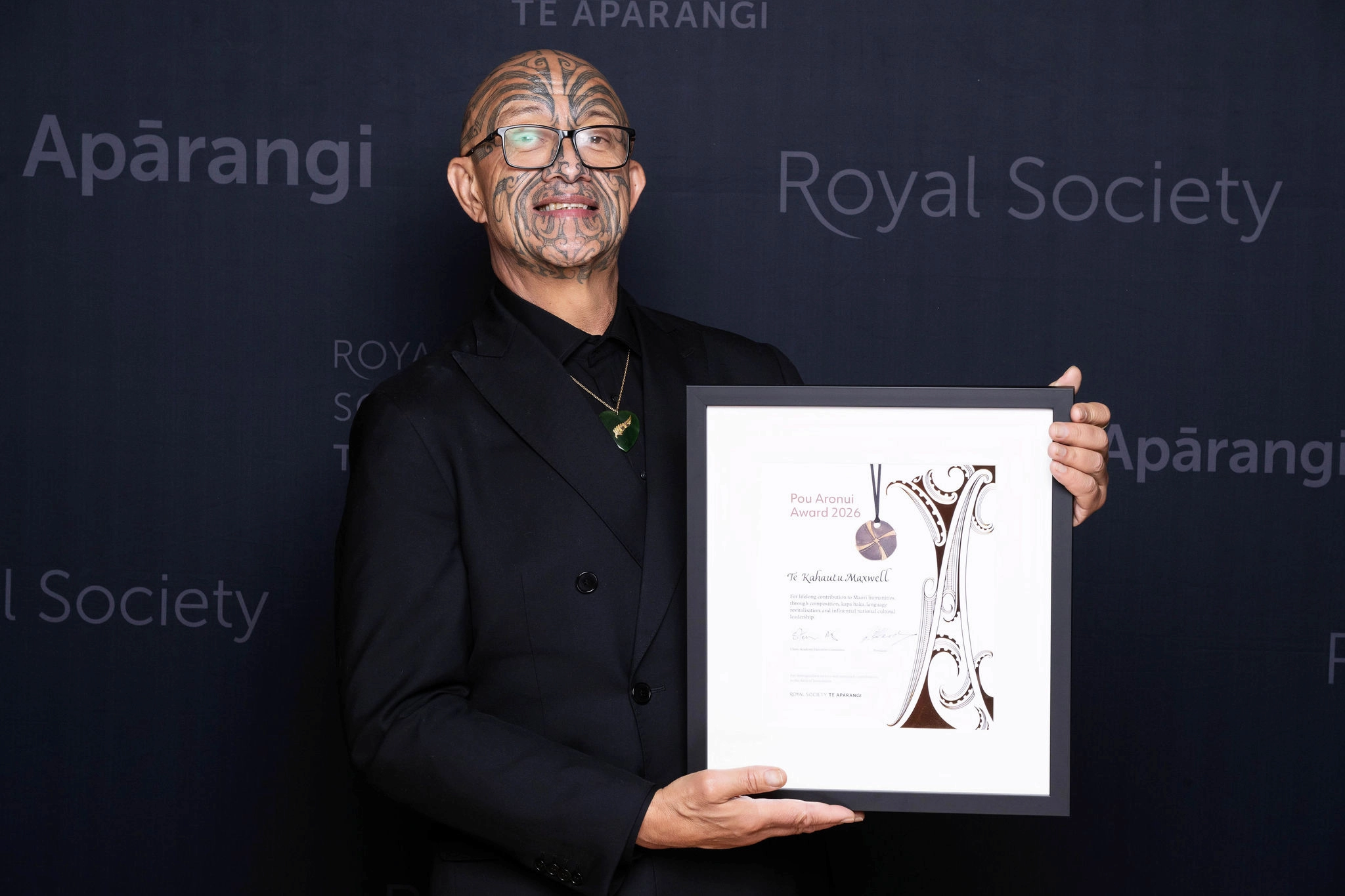
Waikato Professor honoured for lifetime contribution to Māori knowledge and culture
University of Waikato Professor Te Kahautu Maxwell has been recognised for his lifetime contribution to advancing te reo Māori, mātauranga Māori and kapa haka, receiving the prestigious 2026 Pou Aronui Medal from Royal Society Te Apārangi.
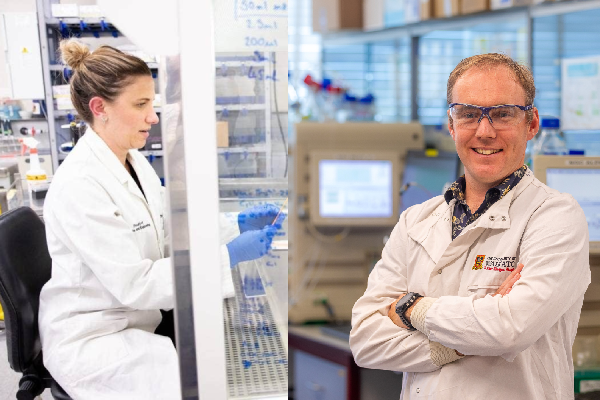
Waikato scientists work towards Covid-19-style test for gonorrhoea
A University of Waikato research project has received funding to develop a rapid, low-cost gonorrhoea test that could improve early detection, access to healthcare and more targeted antibiotic use.
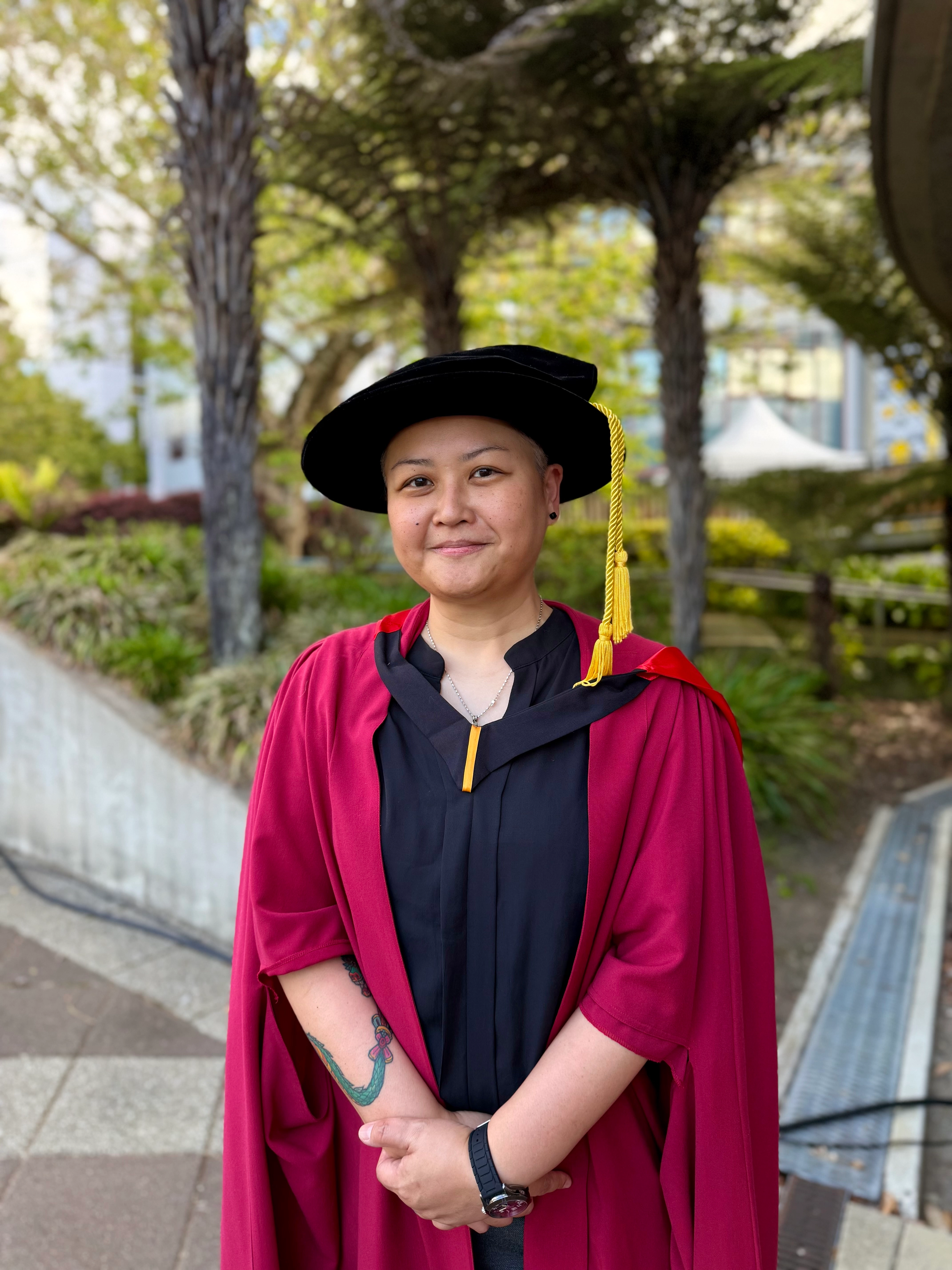
Beyond the ban: Waikato researcher calls for stronger social media regulation
University of Waikato law lecturer Dr Rachel Tan’s research calls for stronger regulation of social media platforms to tackle online hate, protect users and safeguard freedom of expression.
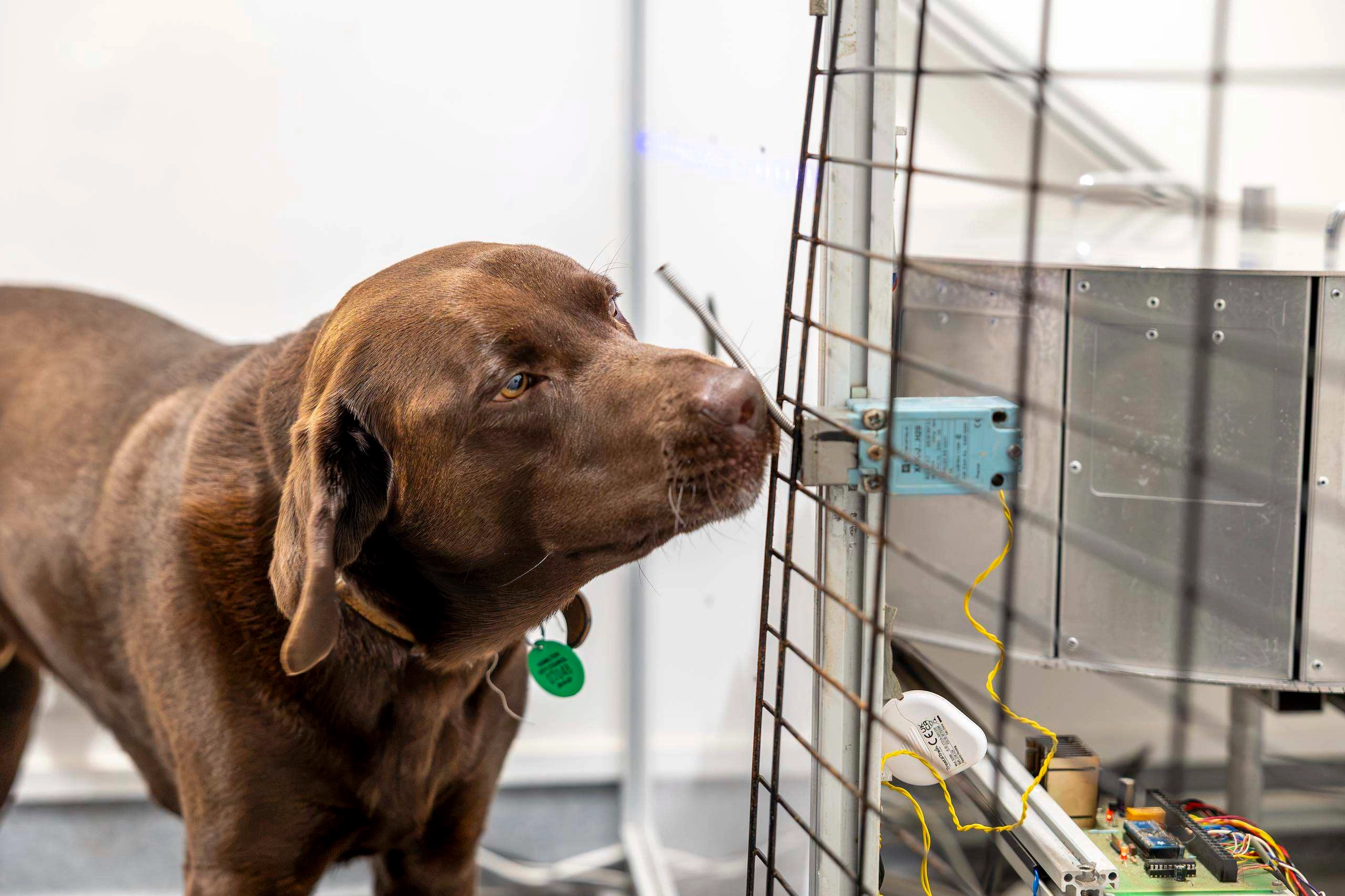
University of Waikato's dogs trained to sniff out parasitic disease
Researchers are training scent-detection dogs to sniff out a parasitic disease, exploring a faster, non-invasive screening method that could improve global health outcomes.

Distant voices: how the revival of ta rē Moriori lets us hear the true history of Rēkohu
The revival of ta rē Moriori is helping reclaim the language, culture and history of Rēkohu (Chatham Islands), challenging misconceptions and ensuring Moriori voices are heard by future generations.
You’re currently viewing the website as a domestic student, you might want to change to international.
You're a domestic student if you are:
You're an International student if you are: