Coaches’ assumptions about what disabled young people can do could be limiting their opportunities to participate, develop their skills and feel they belong in sport.
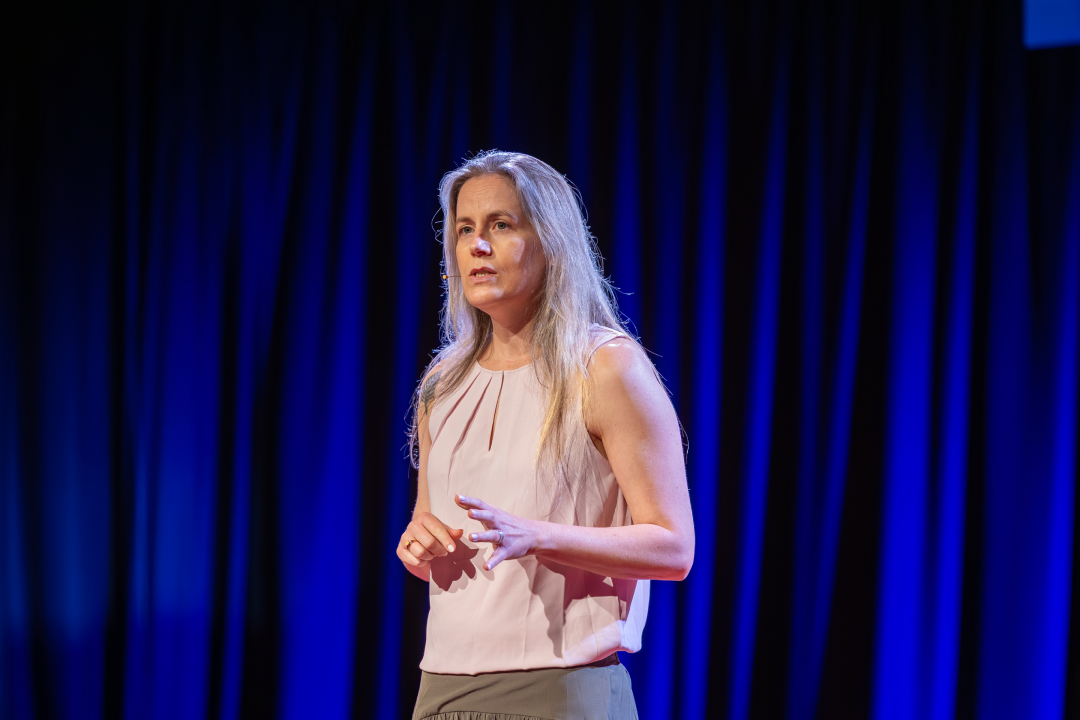
Dr Robert Townsend (opens in a new tab), an Associate Professor at the University of Waikato, is examining how attitudes towards disability influence experiences in sport, from how coaches work with players to the priorities of sports organisations.
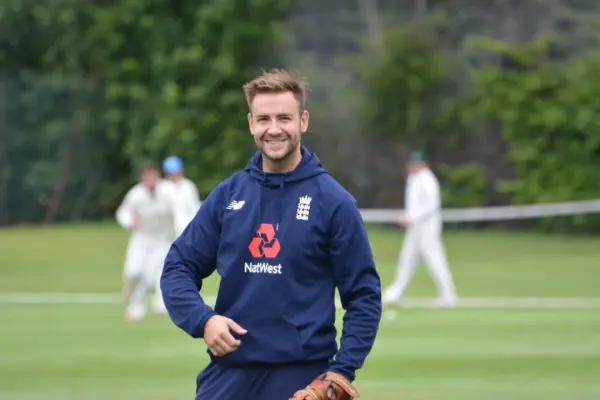
Dr Robert Townsend
One in six New Zealanders, including one in 10 children, experience disability.
His research (opens in a new tab) highlights how exclusion can take different forms, including lowered expectations, inflexible coaching practices and well-meaning attempts to protect young people that inadvertently limit their opportunities.
“Disabled young people want to be active and involved in sport and physical activity. We need to look closely at what happens in sporting environments that makes participation harder or leaves them feeling that they don’t belong,” says Dr Townsend.
Drawing on interviews with coaches, national workshops involving more than 50 sporting practitioners, a review of existing research and partnerships with disabled co-researchers, the work explores how attitudes and assumptions about disability influence sporting experiences.
The research found that coaches’ and practitioners’ views were often unintentionally influenced by ableism – the tendency to judge disabled people against ideas of what is considered “normal” and capable, often overlooking the value of different ways of being and participating.
Examples include coaches assuming an autistic child would not fit into a team environment, viewing disability inclusion as “too hard”, or national sports organisations prioritising non-disabled sport as their “core business”.
“The attitudes are not always intentionally discriminatory, but they shape disabled people’s experiences of sport in ways that can make them feel they do not belong or are not valued. This means that disabled people often miss out on the benefits of physical activity, as well as the social connections that sport brings,” he says.
The research also highlights wider inequalities in participation. Disabled young people participate less often in school physical activity, report lower confidence and motivation, and experience weaker feelings of belonging. They can also feel watched, judged or self-conscious, despite wanting to take part.
Practical barriers compound these challenges. Transport, costs, equipment requirements and limited awareness of opportunities can affect access, alongside underprepared teachers and coaches and fragmented services.
Coaches themselves face challenges, including limited time, uncertainty about adapting activities and fear of saying the wrong thing.
Addressing these challenges requires systematic changes to how coaches are supported and educated, helping them recognise how their decisions and practices can influence young people’s experiences.
“This is about helping coaches and sporting organisations examine the assumptions behind their decisions and giving them support to make changes,” says Dr Townsend.
One resource developed through the work is Red Cards for Ableism, a comic that uses practical examples to help coaches and sporting practitioners recognise different forms of exclusion and establish a shared language for discussing ableism.
“We need to ask whose needs our sporting environments are designed around, and what we can change so disabled young people have meaningful opportunities to be part of them,” he says.
The research also raises questions about disabled people’s opportunities to become coaches and leaders, and whose perspectives influence decisions about how sport is organised.
“Only 3.4% of the sport workforce is disabled. This creates real challenges around the visibility and representation of disabled people and means decisions about sport are often made without considering their perspectives.”
Dr Townsend will be a keynote speaker at the National Youth Sport Conference (opens in a new tab) in Adelaide on 20 November 2026.